Yet Another Study Claims Celebrity Endorsements Are A Waste of Money

celebrity_ads_collage.jpg

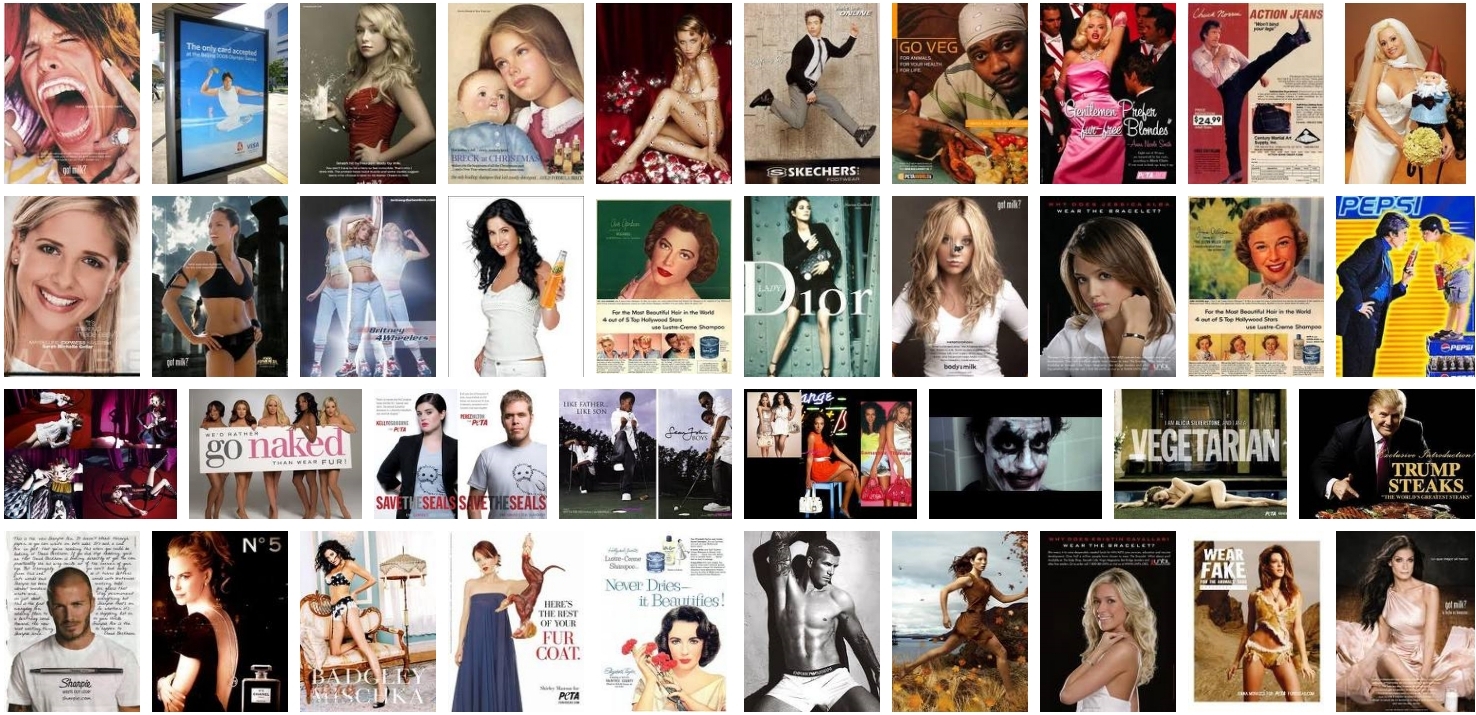
In the Things We Already Knew But Will Never Change department, another study has concluded that – shocker! – celebrity endorsements don’t help sell product and are a waste of money. Alloy Media + Marketing said this back in 2006 and AdWeek concluded the same in a poll conducted just last Fall.

The Ace Metrix study found fewer that 12 percent of ads that incorporated celebrities exceeded a ten percent lift and one fifth had a negative impact. Reaction to the study among those in the industry is mixed. Some claim celebrities have never been good at selling a product. Others claim bad ads are just that: bad ads. And there are plenty of celebrity-fueled bad ads. And lets’ not overlook the not unimportant fact the study only examined television ads. Oh and the fact, given the opportunity, any creative given the choice of using a celebrity or not is always going to opt to use one. After all, who doesn’t want that in their book? No matter what brand they have to force feed the celebrity into.

And one commenter trashed the general methodology of the study, writing, “However, speaking of bad procedure, the methodology of this study (and yes, I have read the entire white paper, not just the article) is completely laughable. One of the first things you learn when you study consumer behavior and marketing research is that consumers are atrociously bad predictors of their own future behavior. So asking someone how they ‘feel’ about an ad or whether it will influence their decisions to purchase something later is roughly like asking the rat if the experiment is working. Totally useless, and no reflection on the effectiveness of the work. The idea of ‘lift’ in this context is nonsense, and not a measure of any kind of effectiveness.”

The real problem here is that most celebrity-based ads are just bad. And bad ads never work no matter how much star power you throw at them.


Picture of Steve Hall

Steve Hall

RECENT ARTICLES

TRENDING AROUND THE WEB

Nobody talks about the women who are sixty-five and childless not by choice but by circumstance — not because the moment never came but because it came at the wrong time with the wrong person three separate times and now the silence in their house isn’t peaceful, it’s the sound of a question that answered itself while they were still deciding

Nobody talks about the women who are sixty-five and childless not by choice but by circumstance — not because the moment never came but because it came at the wrong time with the wrong person three separate times and now the silence in their house isn’t peaceful, it’s the sound of a question that answered itself while they were still deciding

Global English Editing

Research suggests boomers who grew up in working-class homes during the 1950s and 60s developed these 8 toughness traits that most people today couldn’t survive with — and it explains why they can’t understand why younger generations ‘give up so easily’

Research suggests boomers who grew up in working-class homes during the 1950s and 60s developed these 8 toughness traits that most people today couldn’t survive with — and it explains why they can’t understand why younger generations ‘give up so easily’

Global English Editing

Adults who were praised exclusively for being ‘good’ as children often become people who have no idea how to want things for themselves because desire was never part of the identity they were rewarded for

Adults who were praised exclusively for being ‘good’ as children often become people who have no idea how to want things for themselves because desire was never part of the identity they were rewarded for

Global English Editing

Psychology says people who won’t travel because they can’t leave their dog, or who turn down social invitations to stay home with their pet, aren’t isolated — they’re prioritizing the one relationship in their life that never makes them feel like a burden

Psychology says people who won’t travel because they can’t leave their dog, or who turn down social invitations to stay home with their pet, aren’t isolated — they’re prioritizing the one relationship in their life that never makes them feel like a burden

Global English Editing

I’m 65 and my father died in 1996 without ever once telling me what scared him and I’ve spent twenty-nine years collecting the questions I would have asked if I’d known men from his generation needed permission to be something other than strong

I’m 65 and my father died in 1996 without ever once telling me what scared him and I’ve spent twenty-nine years collecting the questions I would have asked if I’d known men from his generation needed permission to be something other than strong

Global English Editing

There’s a specific kind of loneliness that belongs to people who never had children. It doesn’t arrive as sadness. It arrives as irrelevance, the growing suspicion that the future is a conversation happening in another room that you were never invited into.

There’s a specific kind of loneliness that belongs to people who never had children. It doesn’t arrive as sadness. It arrives as irrelevance, the growing suspicion that the future is a conversation happening in another room that you were never invited into.

Global English Editing