
Vera Wang Introduces Fragrance With Princess-O-Meter

verawangprincess.JPG

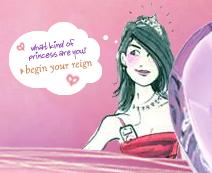
To promote its new Princess fragrance, Vera Wang launched VeraWangPrincessBeauty, which features an interactive quiz that tells people what kind of princess they are. An apparently tech-savvy cartoon princess who wears her iPod in her bra walks would-be monarchs through the process.

The criteria is based on all kinds of obstacles the typical princess must navigate daily, such as which event invitation to accept and who to call on speed-dial while sitting in the bathtub. Hmm. To maximize stickiness, princess results can be turned into, yes, a MySpace skin or a printable pledge to be as fantastic a princess as possible. Oh, and also, to always wear Vera Wang Princess.

By the way, we took the test and Adrants is an “IT Princess” who goes to all the hip parties and travels the world. But, of course, you knew that about us already, didn’t you? – Contributed by Angela Natividad


Picture of Steve Hall

Steve Hall

RECENT ARTICLES

TRENDING AROUND THE WEB

7 things people who hit snooze five times a morning have in common

7 things people who hit snooze five times a morning have in common

Hack Spirit

7 things people who work with their hands understand that office workers rarely do

7 things people who work with their hands understand that office workers rarely do

Hack Spirit

7 things decisive people do differently than people who are just impulsive

7 things decisive people do differently than people who are just impulsive

Hack Spirit

8 things people who give thoughtful gifts pay attention to all year

8 things people who give thoughtful gifts pay attention to all year

Hack Spirit

Greif and Gleason’s 1980 research on how children learn politeness routines found that young children almost never say “please” or “thank you” spontaneously, they say it because a parent prompts them with “what do you say?” dozens of times a week, meaning the reflex adults later display without thinking twice was built through years of someone else’s prompting long before it became automatic.

Greif and Gleason’s 1980 research on how children learn politeness routines found that young children almost never say “please” or “thank you” spontaneously, they say it because a parent prompts them with “what do you say?” dozens of times a week, meaning the reflex adults later display without thinking twice was built through years of someone else’s prompting long before it became automatic.

Global English Editing

8 signs your in-laws see you as their own, not just someone their child married

8 signs your in-laws see you as their own, not just someone their child married

Hack Spirit










