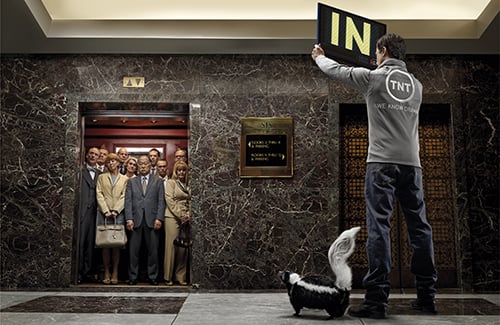
TNT Ponders the Drama of A Skunk in A Crowded Elevator

TNT_Skunk_crop_press_500x325.jpeg

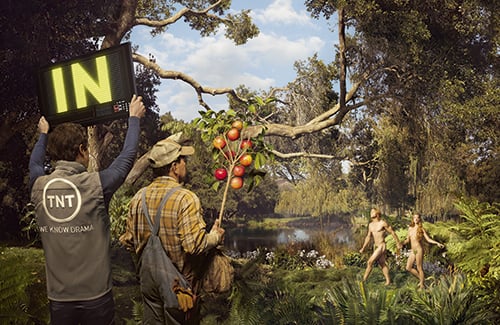
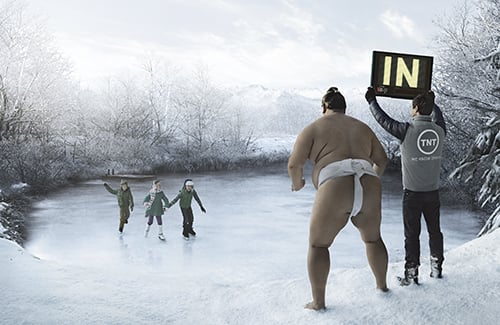
Duval Guillaume has launched a new international print campaign for TNT. The agency developed 4 new images which ask us to imagine how life becomes more interesting when you add some drama to it.

If you recall, the agency famously launched the Add More Drama with a stunt in Belgium that literally added all kinds of drama when people pushed a button.

These new images will initially be used in Germany and Mexico, and later in a number of other countries.
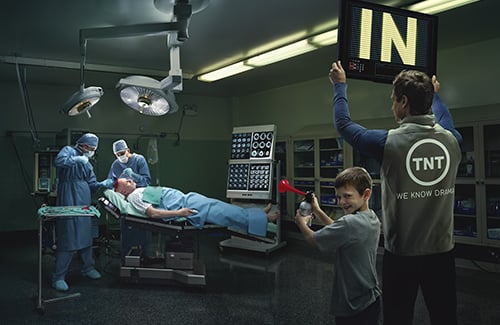
TNT_Surgery_crop_press_500x325.jpeg

TNT_Sumo_crop_press_500x325.jpeg

TNT_Skunk_crop_press_500x325.jpeg

TNT_EdenGarden_crop_press_500x325.jpeg

Picture of Steve Hall

Steve Hall

RECENT ARTICLES

TRENDING AROUND THE WEB

Research suggests the simple act of eating a meal without your phone has become one of the most radical things a person can do for their mental health — not because the phone is harmful, but because the meal without it is the only daily occasion most people have left to exist without being reachable

Research suggests the simple act of eating a meal without your phone has become one of the most radical things a person can do for their mental health — not because the phone is harmful, but because the meal without it is the only daily occasion most people have left to exist without being reachable

Global English Editing

The generation that was never allowed to be tired, never allowed to be lost, never allowed to need anything from anyone is now sitting in quiet houses in their late 60s and 70s wondering why a lifetime of being needed by everyone left them feeling known by no one

The generation that was never allowed to be tired, never allowed to be lost, never allowed to need anything from anyone is now sitting in quiet houses in their late 60s and 70s wondering why a lifetime of being needed by everyone left them feeling known by no one

Global English Editing

The real reason your aging father who never expressed emotion in sixty years of marriage openly weeps when the family dog dies isn’t sentimentality. The dog was the one relationship where he was allowed to be soft without it being questioned, and the grief isn’t just about the animal, it’s about losing the only door he ever found for the feelings he was raised to lock away

The real reason your aging father who never expressed emotion in sixty years of marriage openly weeps when the family dog dies isn’t sentimentality. The dog was the one relationship where he was allowed to be soft without it being questioned, and the grief isn’t just about the animal, it’s about losing the only door he ever found for the feelings he was raised to lock away

Global English Editing

My daughter described her childhood to a friend last week and I overheard it from the next room—and the mother she described wasn’t cruel or cold, she was just less present than I remember being, less patient than I thought I was, and less fun than I tried to be—and the distance between the mother I performed and the mother she received is a gap I can hear but never close because her version is the only one that counts

My daughter described her childhood to a friend last week and I overheard it from the next room—and the mother she described wasn’t cruel or cold, she was just less present than I remember being, less patient than I thought I was, and less fun than I tried to be—and the distance between the mother I performed and the mother she received is a gap I can hear but never close because her version is the only one that counts

Global English Editing

Psychology says the people who check on everyone but are never checked on aren’t stronger than everyone else. They just learned very early that their pain made other people uncomfortable, so they stopped presenting it.

Psychology says the people who check on everyone but are never checked on aren’t stronger than everyone else. They just learned very early that their pain made other people uncomfortable, so they stopped presenting it.

Global English Editing

Psychologists explain that married people who feel lonely rarely lack companionship. They lack witness. Someone is in the house, someone is at the table, but no one is tracking the interior life happening behind their eyes, and that specific absence registers as invisibility, not solitude

Psychologists explain that married people who feel lonely rarely lack companionship. They lack witness. Someone is in the house, someone is at the table, but no one is tracking the interior life happening behind their eyes, and that specific absence registers as invisibility, not solitude

Global English Editing