Time Warner Delivers Amazingly Cool Spot to Go With… Amazingly Cool Speed?

lag%20grab.png

I’ll get to the actual spot in a sec, (viewable after the jump), but I really don’t know how any cable provider can lay claim to either faster and/or lag-free performance these days. Having used everything from Dish to DirectTV to the majority of cable providers, I don’t think any of them have it right yet. At some point, there’s almost always an interruption of service.

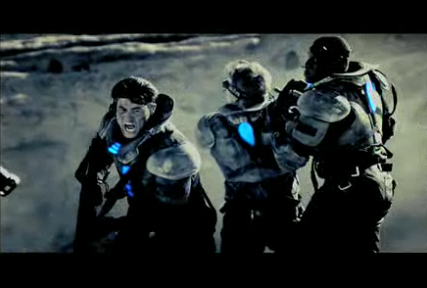
As for the spot, it’s high-energy, looks slick and all that. But that’s the problem with most brands like Time Warner trying to own a value prop that, oh by the way, the rest of the universe is also trying to own. What else can you do but make a kick-ass spot? Using Oakley’s amazing HD RED camera, they’ve recreated a nice video game scenario, although the press release claims the two 20-something players are teens. Whatevuh. Point is, as creatives, there’s only so much you can with a generic brand positioning that doesn’t give you much to work with.



Find more videos like this on AdGabber

Picture of Steve Hall

Steve Hall

RECENT ARTICLES

TRENDING AROUND THE WEB

7 things people who hit snooze five times a morning have in common

7 things people who hit snooze five times a morning have in common

Hack Spirit

7 things people who work with their hands understand that office workers rarely do

7 things people who work with their hands understand that office workers rarely do

Hack Spirit

7 things decisive people do differently than people who are just impulsive

7 things decisive people do differently than people who are just impulsive

Hack Spirit

8 things people who give thoughtful gifts pay attention to all year

8 things people who give thoughtful gifts pay attention to all year

Hack Spirit

Greif and Gleason’s 1980 research on how children learn politeness routines found that young children almost never say “please” or “thank you” spontaneously, they say it because a parent prompts them with “what do you say?” dozens of times a week, meaning the reflex adults later display without thinking twice was built through years of someone else’s prompting long before it became automatic.

Greif and Gleason’s 1980 research on how children learn politeness routines found that young children almost never say “please” or “thank you” spontaneously, they say it because a parent prompts them with “what do you say?” dozens of times a week, meaning the reflex adults later display without thinking twice was built through years of someone else’s prompting long before it became automatic.

Global English Editing

8 signs your in-laws see you as their own, not just someone their child married

8 signs your in-laws see you as their own, not just someone their child married

Hack Spirit