Stock Photo Faux-Viral Attracts Bloggers, But Not Corbis

corbis-emo.jpg

Everyone that starts an agency has a dream account — a client that, upon winning its business, validates your ability to both create and persuade.

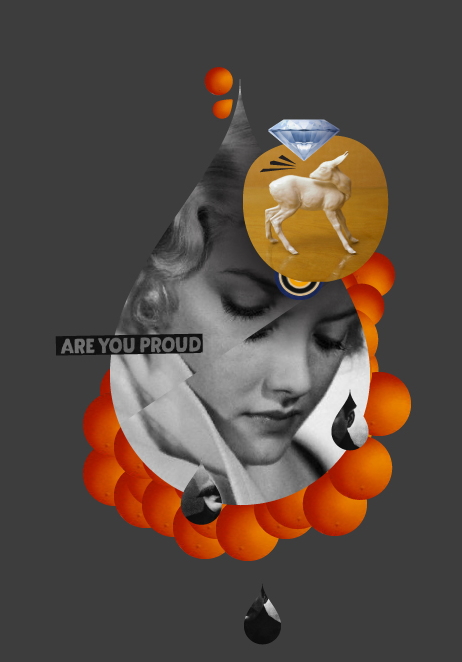
Corbis is that dream for General Projects, a just-launched design shop that wooed its prospective client with Schtock.com.

Schtock is really flippin’ cool. Each time you reload the site, you see a random, totally abstract image. When you click on the “About the image” tab, you’ll find each one was composed of many stock photos. The work at left, for example, is called “Emo.” Here’s how many stock photos it took to produce it.

The site blog claims Schtock is the lovechild of someone at “a major stock photo company,” putting illicit use to imagery that see nothing but the cutting-room floor. “Corbis” isn’t mentioned outright, but all the photos can be found on Corbis’s image search.

With trailing hints like that, and emails to random bloggers, General Projects led others to believe this was a Corbis-produced viral campaign.

General Projects straightened out the facts sometime late last week. The results of its work:

o Corbis was mentioned across 150 separate sites, putting the brand in front of over 200,000 viewers over the course of 4 days.
o Over 20,000 unique users visited the site itself during that time.

Artistic and interesting, but Corbis has yet to bite. In its comments section, The Denver Egotist called it “a bit weird and mildly convoluted,” which is an oddly pretty and apt description.


Picture of Steve Hall

Steve Hall

RECENT ARTICLES

TRENDING AROUND THE WEB

7 things decisive people do differently than people who are just impulsive

7 things decisive people do differently than people who are just impulsive

Hack Spirit

8 things people who give thoughtful gifts pay attention to all year

8 things people who give thoughtful gifts pay attention to all year

Hack Spirit

Greif and Gleason’s 1980 research on how children learn politeness routines found that young children almost never say “please” or “thank you” spontaneously, they say it because a parent prompts them with “what do you say?” dozens of times a week, meaning the reflex adults later display without thinking twice was built through years of someone else’s prompting long before it became automatic.

Greif and Gleason’s 1980 research on how children learn politeness routines found that young children almost never say “please” or “thank you” spontaneously, they say it because a parent prompts them with “what do you say?” dozens of times a week, meaning the reflex adults later display without thinking twice was built through years of someone else’s prompting long before it became automatic.

Global English Editing

8 signs your in-laws see you as their own, not just someone their child married

8 signs your in-laws see you as their own, not just someone their child married

Hack Spirit

Many adult children remember watching a father work sixty-hour weeks for decades so the family could have what he never did, then watched him die in his sixties without ever prioritizing his own happiness, and now see that same pattern quietly repeating in their own lives, under a different name.

Many adult children remember watching a father work sixty-hour weeks for decades so the family could have what he never did, then watched him die in his sixties without ever prioritizing his own happiness, and now see that same pattern quietly repeating in their own lives, under a different name.

Global English Editing

Harvard researchers had 166 undergraduates rate their own pets on qualities like thoughtful, considerate and sympathetic, and the students who felt most chronically disconnected from other people scored their pets meaningfully higher on exactly those three traits, and no others.

Harvard researchers had 166 undergraduates rate their own pets on qualities like thoughtful, considerate and sympathetic, and the students who felt most chronically disconnected from other people scored their pets meaningfully higher on exactly those three traits, and no others.

Global English Editing