Sometimes, I Guess, the Scars Make the Man

bobby-orr-scars.jpg

MasterCard’s “Priceless” is one of those campaigns you wanna milk as long as possible: it makes a statement about what people value, and potential variations are endless.

But the “product, price tag; product, price tag; sentiment = priceless” formula has gotten stale. And unfortunately for MasterCard, competitors like Visa and American Express have taken advantage of its stagnation to launch their own heart-wrenching commentaries on society.

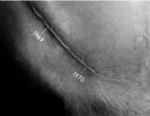
Hoping to rekindle a weakening flame, MasterCard tapped MacLaren McCann/Toronto, which came up with “Timeline.” It’s the old “Priceless” story with a new twist: instead of dollar amounts — which don’t amount to much lately — you’re looking at a vocal chronology of scars.

Whose are they? They belong to Bobby Orr, Canadian ice hockey player. “Earning your place in history: priceless.”

Meanwhile, variant “Pep Talk” holds the focus on pro-hockey but uses the old “product, price tag” formula. It is artfully absent of a pep talk.


Picture of Steve Hall

Steve Hall

RECENT ARTICLES

TRENDING AROUND THE WEB

Studies on helicopter parenting link the behavior to parents’ own fear of danger and discomfort with separation, complicating the popular idea that constant helping is simply an extension of love

Studies on helicopter parenting link the behavior to parents’ own fear of danger and discomfort with separation, complicating the popular idea that constant helping is simply an extension of love

Global English Editing

A vocabulary that keeps quietly expanding well past someone’s twenties isn’t just a love of words — it’s the one measure of intelligence psychologists have trusted for a century because it tracks so closely with how a person actually thinks

A vocabulary that keeps quietly expanding well past someone’s twenties isn’t just a love of words — it’s the one measure of intelligence psychologists have trusted for a century because it tracks so closely with how a person actually thinks

Global English Editing

An Adobe survey found 69% of workers say emoji use makes a coworker seem more likable — and the reason has more to do with replacing missing body language than making a message friendlier

An Adobe survey found 69% of workers say emoji use makes a coworker seem more likable — and the reason has more to do with replacing missing body language than making a message friendlier

Global English Editing

A boundary delivered without an explanation usually isn’t coldness — it’s someone who’s learned that the explanation is exactly what invites the negotiation they were trying to avoid

A boundary delivered without an explanation usually isn’t coldness — it’s someone who’s learned that the explanation is exactly what invites the negotiation they were trying to avoid

Global English Editing

Someone who lets a frazzled stranger go ahead of them in line isn’t necessarily being generous — they’re picking up on small shifts in tone and posture that most people only catch when told to look for them

Someone who lets a frazzled stranger go ahead of them in line isn’t necessarily being generous — they’re picking up on small shifts in tone and posture that most people only catch when told to look for them

Global English Editing

The difference between the words you recognize and the words you actually use — and what that gap says about how you learned them

The difference between the words you recognize and the words you actually use — and what that gap says about how you learned them

Global English Editing