Saatchi Follows Wendy’s ‘Kicking Trees’ Spot With ‘Hole’

wendys_hole2.jpg

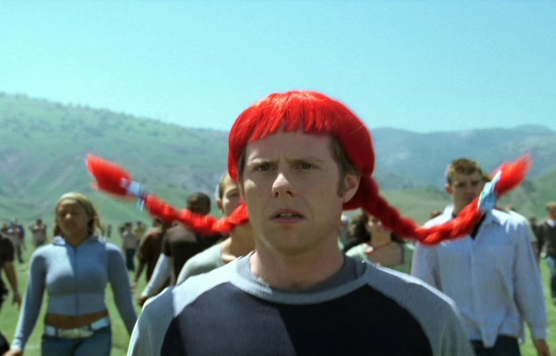
We’ve got our hands on Saatchi & Saatchi’s follow up to their Kicking Trees commercial for Wendy’s which aired during the American Idol finale. This one’s called Hole and it’s a gleeful expression of the lemming-like acceptance people apparently have for McDonald’s and Burger King’s practice of leaving their burgers sitting in the window as opposed to Wendy’s which, according to red pigtail guy, come sizzling off the grill.

The ad, reminiscent of Carlton Draught’s Big Ad, hoards of people mindlessly race toward a big black whole in the ground until red pigtail guy rallies the troops against acceptance of window burgers in favor of Wendy’s sizzling burgers. Theater goers will see this ad first when it debuts July 27.

While we do like this new work from Saatchi, we had to watch it a few times to fully focus on the central message of the spot. After all, with all those “whoa what was that?” big, bouncing breasts shots the director “casually” placed in many of the commercial’s frames, red pigtail guy had to wait a while for our full attention.


Picture of Steve Hall

Steve Hall

RECENT ARTICLES

TRENDING AROUND THE WEB

7 things people who hit snooze five times a morning have in common

7 things people who hit snooze five times a morning have in common

Hack Spirit

7 things people who work with their hands understand that office workers rarely do

7 things people who work with their hands understand that office workers rarely do

Hack Spirit

7 things decisive people do differently than people who are just impulsive

7 things decisive people do differently than people who are just impulsive

Hack Spirit

8 things people who give thoughtful gifts pay attention to all year

8 things people who give thoughtful gifts pay attention to all year

Hack Spirit

Greif and Gleason’s 1980 research on how children learn politeness routines found that young children almost never say “please” or “thank you” spontaneously, they say it because a parent prompts them with “what do you say?” dozens of times a week, meaning the reflex adults later display without thinking twice was built through years of someone else’s prompting long before it became automatic.

Greif and Gleason’s 1980 research on how children learn politeness routines found that young children almost never say “please” or “thank you” spontaneously, they say it because a parent prompts them with “what do you say?” dozens of times a week, meaning the reflex adults later display without thinking twice was built through years of someone else’s prompting long before it became automatic.

Global English Editing

8 signs your in-laws see you as their own, not just someone their child married

8 signs your in-laws see you as their own, not just someone their child married

Hack Spirit