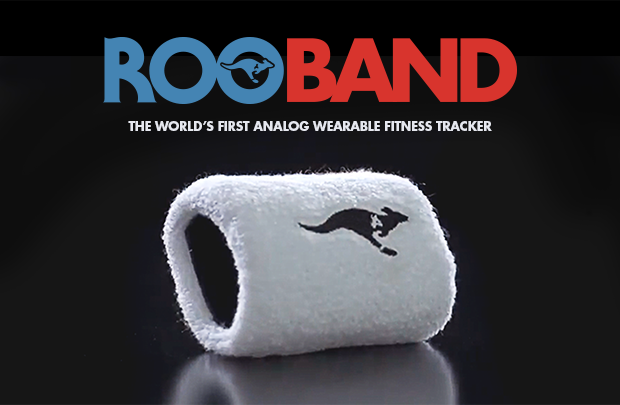
ROOBand Introduces World’s First Analog Wearable Fitness Tracker

rooband.png

With the increased focus on capturing data while running, RooBand CEO Frank Hammond thinks we’ve taken the fun out of running. In an effort to bring back the joy, Hammond is unveiling the RooBand, the world’s first analog wearable fitness tracker.

So how does it work? As described on the product’s Indiegogo page, the ROOband is in direct contact with your your skin. When running, your body will start to emit “effort,” commonly called “sweat.” Your effort will be absorbed by the Rooband. Then, after each session, you can squeeze the ROOband to output your effort, allowing you to measure your progress with an easily quantifiable result.

No, really. It’s that simple.

But Why? Well, because as Hammond shows us, running was more fun back in the pre-digital days of 1979:

1979_running.png

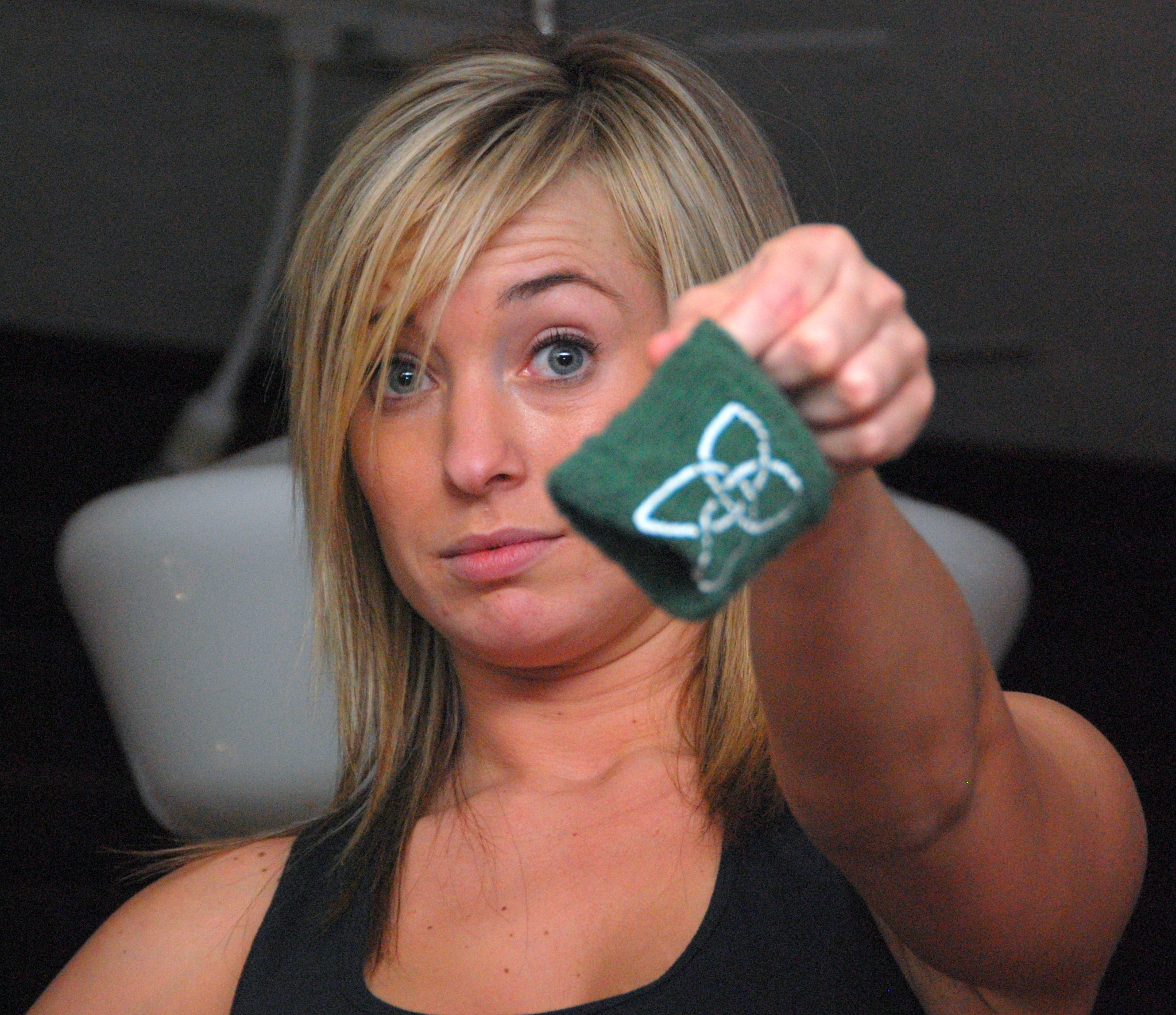
So, yea, maybe running was more fun back in 1979 but back in 2009, this beautiful woman presented us with our very own ROOBand…all before a RooBand was ROOBand. It was a memorable night.
1-DSC_0320.JPG

Here’s the explainer video:

YouTube video

Picture of Steve Hall

Steve Hall

RECENT ARTICLES

TRENDING AROUND THE WEB

9 things deeply curious people do that make ordinary days feel interesting

9 things deeply curious people do that make ordinary days feel interesting

Hack Spirit

The difference between editing and proofreading (and why it matters for your work)

The difference between editing and proofreading (and why it matters for your work)

Global English Editing

8 small habits of people born in the 60s and 70s that make them wonderful neighbors

8 small habits of people born in the 60s and 70s that make them wonderful neighbors

Hack Spirit

7 quiet signs someone has made real peace with getting older

7 quiet signs someone has made real peace with getting older

Hack Spirit

8 things emotionally mature people do when an old friend disappoints them

8 things emotionally mature people do when an old friend disappoints them

Hack Spirit

Why we say one thing and mean another — the linguistics and cognition of the intent–expression gap

Why we say one thing and mean another — the linguistics and cognition of the intent–expression gap

Global English Editing