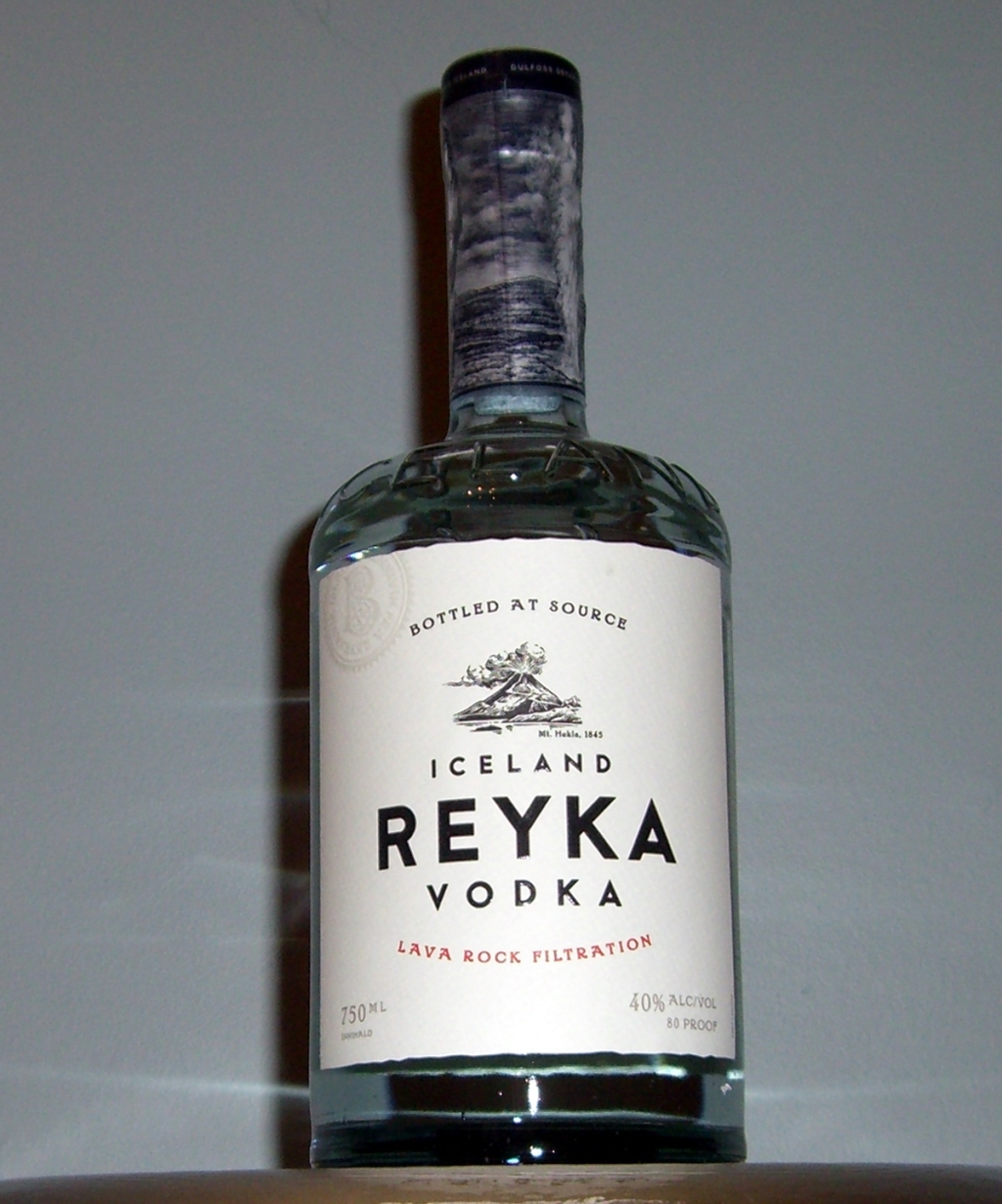
Reyka Vodka Delivers on Campaign Promise

reyka_bottle.jpg

Back in April, we reviewed a new campaign from Iceland vodka maker Reyka Vodka. It was quirky. It was different. It was really good. And, as we wrote, the campaign was “oddly transfixing in a ‘wow, this doesn’t look like an alcohol ad’ sort of way.”

Upon receiving a sample of the product and, of course, drinking it, we are pleased to report the vodka itself is oddly transfixing in a “wow, this doesn’t taste like your usual, everyday vodka” sort of way. Simply, it’s really great stuff. It has a flavor but, as the ad campaign touted, it’s distinctly vodka tasting as opposed to some of the high end vodkas that have been “smoothed” so much, they taste like nothing at all.

If one were to compare it to gin, it would sit squarely next to Hendrick’s which is distilled with, of all things, cucumbers that, contrary to what one might think, do not make it taste like a cucumber but simply intensifies the distinct taste gin, as a category, already has. It’s our new favorite vodka. Now if we could only find a store around here that sold the stuff.


Picture of Steve Hall

Steve Hall

RECENT ARTICLES

TRENDING AROUND THE WEB

Psychology says the difference between being kind and compulsive people-pleasing is whether you can stop doing it without feeling like you’ve committed a crime — which is why some people physically cannot leave a messy restaurant table

Psychology says the difference between being kind and compulsive people-pleasing is whether you can stop doing it without feeling like you’ve committed a crime — which is why some people physically cannot leave a messy restaurant table

Global English Editing

I’m 68 and the unhappiness didn’t arrive suddenly. It came the day I realized I’d spent forty years building a life that required me to be needed, and now nobody needs me for anything that actually matters

I’m 68 and the unhappiness didn’t arrive suddenly. It came the day I realized I’d spent forty years building a life that required me to be needed, and now nobody needs me for anything that actually matters

Global English Editing

Psychology says the boomer women who are most difficult to be close to in later life aren’t the ones who suffered most—they’re the ones who spent decades converting their suffering into a permanent orientation towards the world, one that keeps score, expects compensation, and experiences other people’s happiness as a quiet affront to everything they’ve had to endure

Psychology says the boomer women who are most difficult to be close to in later life aren’t the ones who suffered most—they’re the ones who spent decades converting their suffering into a permanent orientation towards the world, one that keeps score, expects compensation, and experiences other people’s happiness as a quiet affront to everything they’ve had to endure

Global English Editing

Psychology says the loneliest people in their 60s and 70s aren’t the ones who never married or had kids — they’re the ones whose entire identity was built around being needed and nobody needs them anymore

Psychology says the loneliest people in their 60s and 70s aren’t the ones who never married or had kids — they’re the ones whose entire identity was built around being needed and nobody needs them anymore

Global English Editing

Psychology says the reason emotionally intelligent people still ghost is because they’ve run hundreds of potential conversation scenarios in their minds and every single one ends with them being misunderstood, dismissed, or turned into the villain

Psychology says the reason emotionally intelligent people still ghost is because they’ve run hundreds of potential conversation scenarios in their minds and every single one ends with them being misunderstood, dismissed, or turned into the villain

Global English Editing

Psychology says the boomer generation had almost no cultural language for social anxiety or introversion—you were shy or you weren’t, you needed to push through it, you’d grow out of it—and the people who didn’t grow out of it simply learned to manage it well enough that nobody saw it, and arrived at later life with a perfectly functional social exterior and an interior that still finds every gathering costs considerably more than it appears to

Psychology says the boomer generation had almost no cultural language for social anxiety or introversion—you were shy or you weren’t, you needed to push through it, you’d grow out of it—and the people who didn’t grow out of it simply learned to manage it well enough that nobody saw it, and arrived at later life with a perfectly functional social exterior and an interior that still finds every gathering costs considerably more than it appears to

Global English Editing