
Personal Videos Share Heartwarming Red Cross Message

red_cross_stories.png

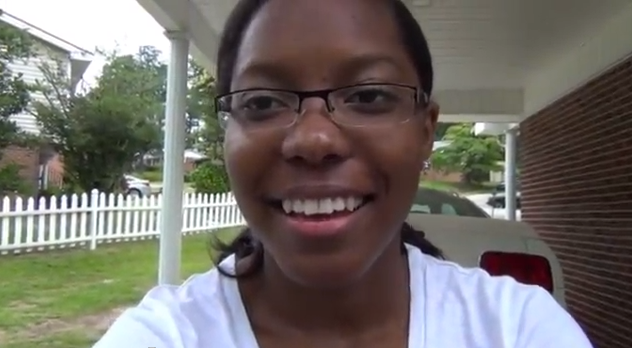
With help from BBDO New York, the American Red Cross has launched a new “storytellers” ad campaign which consists of personal accounts filmed by real people affected by tragedy and how the Red Cross came to their aid. The stories are touching and eloquently capture experiences we all hope we never have to go through.

Of the campaign, Red Cross CMO Peggy Dyer said, “We wanted to tell the story of the Red Cross through the people we serve, while at the same time demonstrating the breadth of our mission. Many people know the organization for our work in major disaster relief or blood collection, and the goal for this storytelling campaign was to bring our everyday mission to life in a personally relevant way.”

The Red Cross enlisted 300 storytellers – people helped by the organization’s five lines of service – and gave them cameras and one task: tell their Red Cross stories.

The initial wave of Red Cross ads feature two New York families whose homes were destroyed by fire and a Washington family devastated by a flood. Future ads will include stories of a Virginia resident whose newborn twins were saved by a single blood donation; a Michigan teenager whose Red Cross CPR training helped him save a life; and an Oklahoma family who lost their home in a tornado.

You can view the campaign “trailer” below and the rest of the videos here.

YouTube video

Picture of Steve Hall

Steve Hall

RECENT ARTICLES

TRENDING AROUND THE WEB

7 things decisive people do differently than people who are just impulsive

7 things decisive people do differently than people who are just impulsive

Hack Spirit

8 things people who give thoughtful gifts pay attention to all year

8 things people who give thoughtful gifts pay attention to all year

Hack Spirit

Greif and Gleason’s 1980 research on how children learn politeness routines found that young children almost never say “please” or “thank you” spontaneously, they say it because a parent prompts them with “what do you say?” dozens of times a week, meaning the reflex adults later display without thinking twice was built through years of someone else’s prompting long before it became automatic.

Greif and Gleason’s 1980 research on how children learn politeness routines found that young children almost never say “please” or “thank you” spontaneously, they say it because a parent prompts them with “what do you say?” dozens of times a week, meaning the reflex adults later display without thinking twice was built through years of someone else’s prompting long before it became automatic.

Global English Editing

8 signs your in-laws see you as their own, not just someone their child married

8 signs your in-laws see you as their own, not just someone their child married

Hack Spirit

Many adult children remember watching a father work sixty-hour weeks for decades so the family could have what he never did, then watched him die in his sixties without ever prioritizing his own happiness, and now see that same pattern quietly repeating in their own lives, under a different name.

Many adult children remember watching a father work sixty-hour weeks for decades so the family could have what he never did, then watched him die in his sixties without ever prioritizing his own happiness, and now see that same pattern quietly repeating in their own lives, under a different name.

Global English Editing

Harvard researchers had 166 undergraduates rate their own pets on qualities like thoughtful, considerate and sympathetic, and the students who felt most chronically disconnected from other people scored their pets meaningfully higher on exactly those three traits, and no others.

Harvard researchers had 166 undergraduates rate their own pets on qualities like thoughtful, considerate and sympathetic, and the students who felt most chronically disconnected from other people scored their pets meaningfully higher on exactly those three traits, and no others.

Global English Editing











