Oblivious Parents Deliver Teen Substance Abuse Message

partnership_denial.jpg

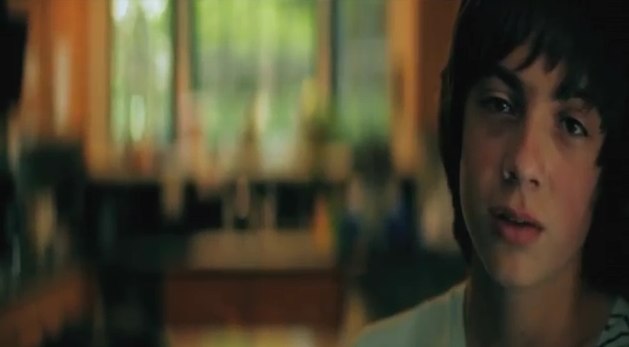
Here’s a new approach to teen substance abuse: blame the parents. A new campaign from Energy BBDO for the Partnership at DrugFree.org called Emotional Drugs features two spots, Denial and Enabling, that center on the things parents don’t (and, of course, should) do when their children are on – or at risk of using – drugs.

In Denial, a mother wonders why so many prescription pills are missing from her medicine bottle. Later, as she gets ready to leave the house, she opens her son’s bedroom door to witness him and his friend acting suspiciously. Instead of connecting both activities, she denies that her son could possibly be responsible for her missing medicine. Enabling depicts a mother hosting an underage party at her home and later turning a blind eye to teens engaging in drug and alcohol use.

The message, of course, is that parents must be vigilant and take a determined and caring interest in their children’s lives. They can start by reading more information about teenage addiction at ProjectKnow.com and other similar sites that deal with drug addiction issues.

YouTube video

YouTube video

Picture of Steve Hall

Steve Hall

RECENT ARTICLES

TRENDING AROUND THE WEB

8 things people learn about you from how you treat someone who can do nothing for you

8 things people learn about you from how you treat someone who can do nothing for you

Hack Spirit

8 things people who are impossible to manipulate do differently

8 things people who are impossible to manipulate do differently

Hack Spirit

7 signs someone was the responsible child in their family, even decades later

7 signs someone was the responsible child in their family, even decades later

Hack Spirit

People who can’t rest until they’ve landed on an explanation for something uncertain score higher on what researchers call the need for cognitive closure, a documented cognitive style where the discomfort of not knowing gets resolved by settling on almost any answer rather than the right one.

People who can’t rest until they’ve landed on an explanation for something uncertain score higher on what researchers call the need for cognitive closure, a documented cognitive style where the discomfort of not knowing gets resolved by settling on almost any answer rather than the right one.

Global English Editing

9 things couples in strong marriages do on ordinary weekday evenings

9 things couples in strong marriages do on ordinary weekday evenings

Hack Spirit

8 things people do that make others genuinely glad to see them

8 things people do that make others genuinely glad to see them

Hack Spirit