If You Waste Water, You Are weird

water_weird.jpg

Thank God we don’t have to witness yet another idiotic PSA about the importance of saving water. Aside from the fact it’s a renewable resource and three quarters of the earth is covered with it, we’re sick of being preached to like wasteful sloths who could care less about economizing on anything. Oh wait.

Anyway, if we have to endure someone telling us not to run the dishwasher when it isn’t full (who the hell does that?), to turn the water off when we brush our teeth and to make sure we turn the garden hose off when we’re not using it, we might as well listen to Rip the Drip.

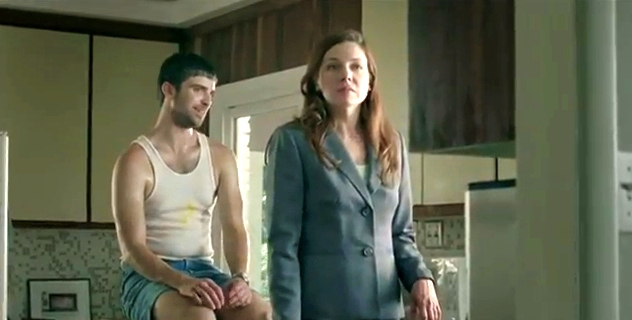
Working with the EPA’s WaterSense, the Shelton Group invented Rip and placed him in three commercials where he gets all weird because, well, according to the campaign, wasting water is weird. So we guess it’s all good. We’re going to go turn the kitchen faucet on now and see if Rip shows up to get all weird on our ass.


Picture of Steve Hall

Steve Hall

RECENT ARTICLES

TRENDING AROUND THE WEB

7 things people who hit snooze five times a morning have in common

7 things people who hit snooze five times a morning have in common

Hack Spirit

7 things people who work with their hands understand that office workers rarely do

7 things people who work with their hands understand that office workers rarely do

Hack Spirit

7 things decisive people do differently than people who are just impulsive

7 things decisive people do differently than people who are just impulsive

Hack Spirit

8 things people who give thoughtful gifts pay attention to all year

8 things people who give thoughtful gifts pay attention to all year

Hack Spirit

Greif and Gleason’s 1980 research on how children learn politeness routines found that young children almost never say “please” or “thank you” spontaneously, they say it because a parent prompts them with “what do you say?” dozens of times a week, meaning the reflex adults later display without thinking twice was built through years of someone else’s prompting long before it became automatic.

Greif and Gleason’s 1980 research on how children learn politeness routines found that young children almost never say “please” or “thank you” spontaneously, they say it because a parent prompts them with “what do you say?” dozens of times a week, meaning the reflex adults later display without thinking twice was built through years of someone else’s prompting long before it became automatic.

Global English Editing

8 signs your in-laws see you as their own, not just someone their child married

8 signs your in-laws see you as their own, not just someone their child married

Hack Spirit