Idiocy Still Front and Center in Most Advertising

comparis_coffee.jpg

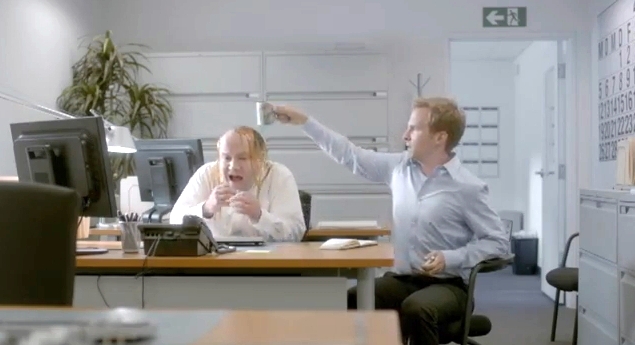
This is kind of stupid. Would a grown adult actually dump coffee over the head of someone they just took off their inner circle cell phone calling list? That seems to be the assumption Comparis is making in this new commercial for its circle of friends feature which allows for the inclusion of more than five friends.

Idiocy can be funny, of course. After all, we love to look down our noses at buffoons who would actually do this sort of thing thereby making us feel superior and intelligent in comparison. But why is it that so many brands have to stoop to this level of idiocy just to move product? Are people simply not capable of consuming information delivered in a straight forward fashion? Especially when said information is clearly – and without need for embellishment – compelling enough all by itself such as is the case in this commercial?

You tell us.

Picture of Steve Hall

Steve Hall

RECENT ARTICLES

TRENDING AROUND THE WEB

8 things people who work best with music on have in common

8 things people who work best with music on have in common

Hack Spirit

7 things people who hit snooze five times a morning have in common

7 things people who hit snooze five times a morning have in common

Hack Spirit

7 things people who work with their hands understand that office workers rarely do

7 things people who work with their hands understand that office workers rarely do

Hack Spirit

7 things decisive people do differently than people who are just impulsive

7 things decisive people do differently than people who are just impulsive

Hack Spirit

8 things people who give thoughtful gifts pay attention to all year

8 things people who give thoughtful gifts pay attention to all year

Hack Spirit

Greif and Gleason’s 1980 research on how children learn politeness routines found that young children almost never say “please” or “thank you” spontaneously, they say it because a parent prompts them with “what do you say?” dozens of times a week, meaning the reflex adults later display without thinking twice was built through years of someone else’s prompting long before it became automatic.

Greif and Gleason’s 1980 research on how children learn politeness routines found that young children almost never say “please” or “thank you” spontaneously, they say it because a parent prompts them with “what do you say?” dozens of times a week, meaning the reflex adults later display without thinking twice was built through years of someone else’s prompting long before it became automatic.

Global English Editing