


Written in March following SXSW in Austin
While we knew this was the case for several years now, SXSW Interactive has become a huge event generating conversation the world over. This year’s event generated 1.1 million tweets in 5 five days across 200 countries and 19 languages.
Social media monitoring company Synthesio created an infographic summarizing global social media conversation about the Austin, Texas event. Without surprise, the U.S generated the most (71%) conversation followed by the UK (4.6%) and Canada (4.4%).
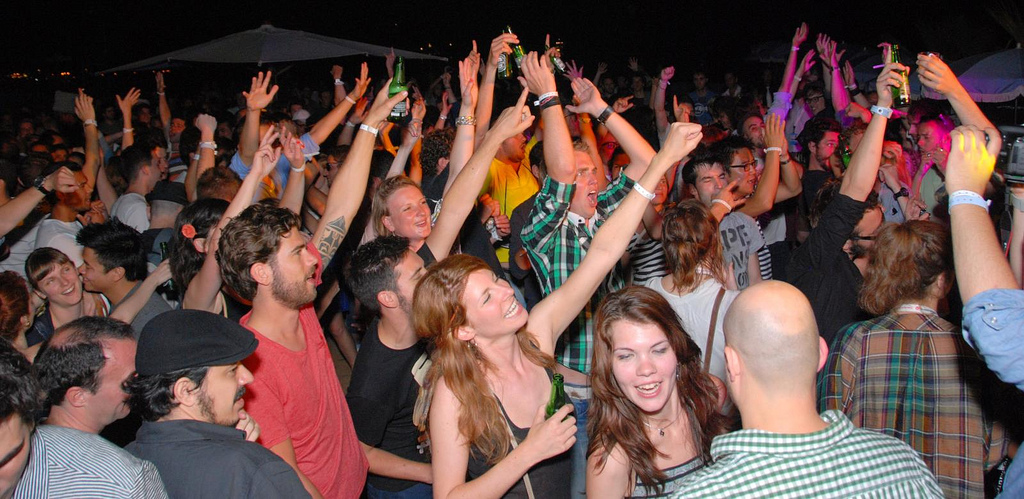
Some say SXSW is the new Cannes. In some respects, it is. As the advertising industry moves more towards technology and content solutions versus Super Bowl-style creative solutions, this shift in mentality may make sense. But it will be a very long while before the advertising industry gives up its Rose-filled afternoons on the Carlton Terrace or the massive beach parties that occur every night which, by the way, put even the best parties at SXSW to shame.
But parties are not the primary reason to attend a conference or festival. It’s to connect with people, ideas and technologies that fuel a different sort of creativity. A creativity that results in conception of technologies and content that are of use to consumers who have certain needs and have gone looking for solutions to address those needs.
Of course, that’s not to say “regular” advertising doesn’t attempt to address people’s needs. It does. It’s just far less efficient than technology or content-based solutions.
Everyone has heard of Nike Fuelband. It’s the classic example of technology put to use to create a product that serves the specific needs of a certain set of people. But it’s not an ad. It’s a product. It’s also a product that does a pretty good job advertising the Nike brand name without beating one over the head with an interruptive-style commercial.
Everyone has heard of content marketing. Ever since the original Yahoo! was born (and probably before), people have been able to turn to the internet when they have a need. If a brand has well-SEO’d content available to that information seeker, that brand is far more likely to draw that person into its acquisition funnel than a brand that doesn’t.
That, of course, is one of the pillars of inbound marketing; the creation of content that educates, informs and satiates the needs and wants of consumers. It also includes SEO, social media, lead management, lead nurturing, email marketing, marketing automation and more.
The days of Cannes-style industry celebration may be limited. While some slam SXSW for getting too big and promise they won’t be back next year, we think they will. Other wise, they may be stuck alone on the Carlton Terrace drinking Rose and watching the tumbleweeds roll down the Croisette.
However, for SXSW to become the new Cannes, it simply must improve programming. With hundreds of over overlapping panels chosen, mostly, by popular vote resulting in a very high percentage of lame ass flops, the event comes nowhere near the high quality, highly curated content of Cannes. At Cannes, there are far fewer panels but they are of the highest quality and well worth attending either to educate or to inspire.
And inspiration is a powerful thing. Inspiration can lead to the creation of amazing things. And amazing things have a far better chance of influencing people than a better way to get a Highlight of where your friends are.
That said, Cannes places a lot of emphasis on creativity for creativity’s sake. In one sense, that’s not bad. After all, creativity fuels the development of wonderful things that can result in the development of killer products and services. On the other hand, winning a Gold Cannes Lion, in some respects, just means your work was prettier and more “creative” than everyone else’s.
But as we said before, Cannes has killer content that can truly inspire. It’s not just about the awards. In a nutshell, Cannes is a well-oiled machine with a highly specific agenda. SXSW, conversely, is looser, more egalitarian and frenetic. Both styles have their advantages. And disadvantages.
What are your thoughts? How are SXSW similar? How are they different?












