How Crocs Should Have Reacted to That Fake Ad

crocs_fake_ad_3.png

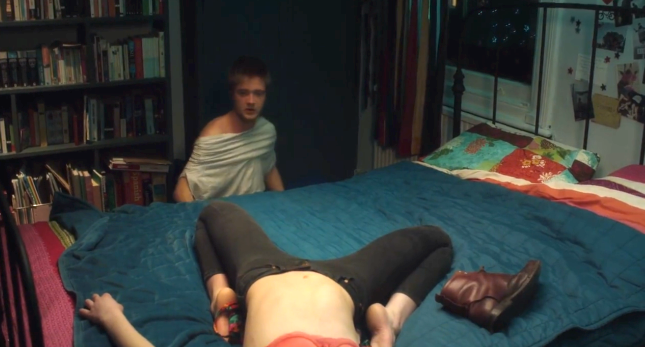
By now, you’ve seen that Crocs ad from London production company Compulsory which celebrates teen sex. By now, you’ve also noted the ad is fake and was not endorsed by the brand. Much like JCPenney which distanced itself from a fake ad (which won a Bronze Lion!) that also centered on teen sex, Crocs called the ad offensive and said, “We’re very concerned by it, because it does not reflect our company values as a global lifestyle brand.”

While that statement may be true, had we been running the show at Crocs last week, we would have handled the situation quite differently. While it’s never advisable for a brand to lie, playing along with a publicity bubble for a while doesn’t do much harm and c an have great benefit.

Crocs, an almost-dead brand that has been struggling hopelessly for years to regain any sense of cool it might once have had, should certainly, as it did, state they did not create the ad. But rather than take the pious position it did regarding the ad and the fact it doesn’t reflect the company’s values, the brand should have embraced the work and employed a bit of perspective.

Rather than lash out like a preacher in the pulpit on a Sunday, the brand might have reacted with a bit of tongue and cheek saying, perhaps, “While we don’t condone casual sex, we certainly do condone donning stylish footwear while engaging in social activities like Parcheesi or group Candy Crush.”

It would have been so simple to go along for the ride at least for a short time. At minimum, allow the ad to play out as it did in the media for a bit before taking the wind out of the sails. Yes, it’s a fine line to walk. Brands do have to live up to what they stand for but brands can, and should, also embrace a windfall because they don’t come along very often. Certainly not for a failing brand like Crocs.

The fact the ad was one of the worst ever created is another story entirely.

Picture of Steve Hall

Steve Hall

RECENT ARTICLES

TRENDING AROUND THE WEB

Psychologists explain that people who have to jiggle the door handle after locking it aren’t paranoid — they’re compensating for the fact that procedural memory doesn’t create the same confidence as episodic memory, which is why we trust what we just witnessed more than what we just did

Psychologists explain that people who have to jiggle the door handle after locking it aren’t paranoid — they’re compensating for the fact that procedural memory doesn’t create the same confidence as episodic memory, which is why we trust what we just witnessed more than what we just did

Global English Editing

The generation that was told they could have it all is now watching its childless members age into a healthcare system, inheritance framework, and social safety net that was built entirely around the assumption that everyone would have someone younger who cared enough to make the phone calls

The generation that was told they could have it all is now watching its childless members age into a healthcare system, inheritance framework, and social safety net that was built entirely around the assumption that everyone would have someone younger who cared enough to make the phone calls

Global English Editing

Research suggests adults who received minimal affection as children often become one of two things — either the most physically affectionate person in any room, overcompensating with a warmth they’re terrified of withholding, or the most physically reserved, maintaining a distance they don’t want but can’t override — and both responses are survival adaptations to the same wound, and neither one feels natural because neither one is, they’re both translations of an experience that was never given its original language

Research suggests adults who received minimal affection as children often become one of two things — either the most physically affectionate person in any room, overcompensating with a warmth they’re terrified of withholding, or the most physically reserved, maintaining a distance they don’t want but can’t override — and both responses are survival adaptations to the same wound, and neither one feels natural because neither one is, they’re both translations of an experience that was never given its original language

Global English Editing

Psychology says people who grew up with very little affection don’t become cold — they become hyper-competent, because when love isn’t freely given, achievement becomes the only language they know for earning value

Psychology says people who grew up with very little affection don’t become cold — they become hyper-competent, because when love isn’t freely given, achievement becomes the only language they know for earning value

Global English Editing

I still write every list by hand and I spent years thinking it was a quirk until I understood it was the only part of my day that actually belonged to me

I still write every list by hand and I spent years thinking it was a quirk until I understood it was the only part of my day that actually belonged to me

Global English Editing

Neuroscience reveals that people who genuinely enjoy repetitive routines have a different relationship with dopamine than novelty seekers. Their brains have learned to extract reward from depth rather than breadth, finding layers in the familiar that the restless mind skips over entirely

Neuroscience reveals that people who genuinely enjoy repetitive routines have a different relationship with dopamine than novelty seekers. Their brains have learned to extract reward from depth rather than breadth, finding layers in the familiar that the restless mind skips over entirely

Global English Editing