Highway Sings For Honda Civic

honda_musical_road.jpg

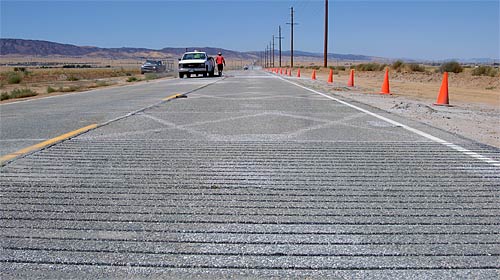
While the stunt angered some Lancaster, CA resident, others came to love the “musical road” created by Honda which played the William Tell overture when cars drove over specially designed grooves on Lancaster’s West Avenue K. While musical roads have been created before in Japan, it’s quite new in America.

Some area residents complained after being subjected to the same song over and over and over day and night without relief. Many fans of the roadway made videos to capture the tune. For those not so fan boyish about the tune, the grooves were removed after just 18 days.

Following the attention the musical road garnered, Lancaster own officials are considering bids from Wal-Mart and others to build another musical roadway in the town.

Barring the expected complaints, Honda should be commended for finding a new method of marketing when older, more traditional channels have ceased to achieve goals.


Picture of Steve Hall

Steve Hall

RECENT ARTICLES

TRENDING AROUND THE WEB

8 things people who work best with music on have in common

8 things people who work best with music on have in common

Hack Spirit

7 things people who hit snooze five times a morning have in common

7 things people who hit snooze five times a morning have in common

Hack Spirit

7 things people who work with their hands understand that office workers rarely do

7 things people who work with their hands understand that office workers rarely do

Hack Spirit

7 things decisive people do differently than people who are just impulsive

7 things decisive people do differently than people who are just impulsive

Hack Spirit

8 things people who give thoughtful gifts pay attention to all year

8 things people who give thoughtful gifts pay attention to all year

Hack Spirit

Greif and Gleason’s 1980 research on how children learn politeness routines found that young children almost never say “please” or “thank you” spontaneously, they say it because a parent prompts them with “what do you say?” dozens of times a week, meaning the reflex adults later display without thinking twice was built through years of someone else’s prompting long before it became automatic.

Greif and Gleason’s 1980 research on how children learn politeness routines found that young children almost never say “please” or “thank you” spontaneously, they say it because a parent prompts them with “what do you say?” dozens of times a week, meaning the reflex adults later display without thinking twice was built through years of someone else’s prompting long before it became automatic.

Global English Editing