Handmade Phaeton Promoted with Hamburg Handiwork

vw_hands.jpg

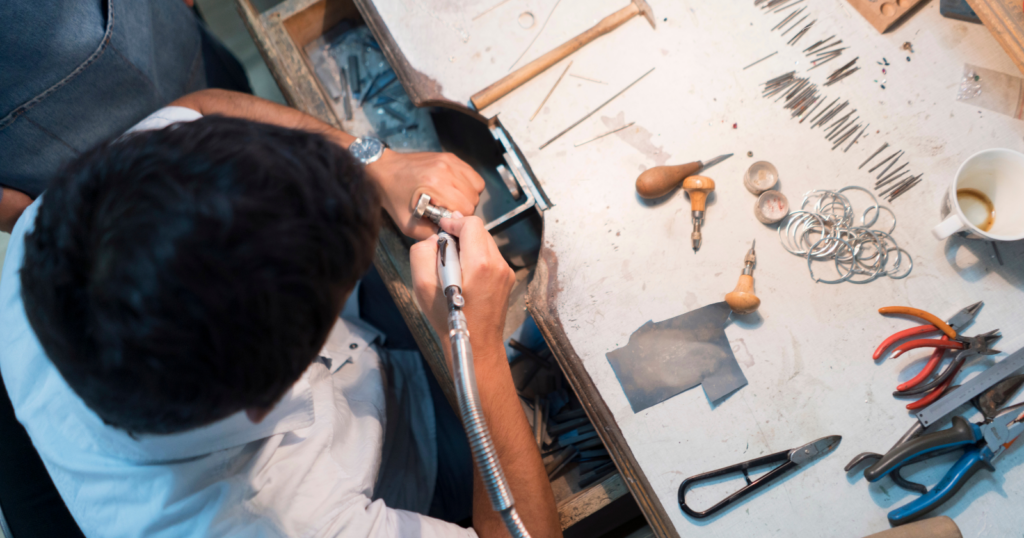
Isn’t it beautiful what hands can do? That’s the question VW asks at the end of this Phaeton ad by Grabarz & Partner Werbeagentur out of Hamburg. With a playful instrumental and impressive handplay, Volkswagen draws attention to the potential of hands to do more than grope, play games and spread the flu. This is meant to showcase the notion that the Phaeton is as elaborately handmade, though we’re hard-pressed to imagine a set of European craftsmen sitting around adding final details to a VW.

We agree with Motionographer that it’s probably not the most effective ad. It’s a long, patient watch and these are not prized audience characteristics. But we like the thought, talent and attention to detail that went into putting it together. If ads are the art that will speak in years to come for society today, we’d rather it be Volkswagen’s elegant handplay than, well, this.


Picture of Steve Hall

Steve Hall

RECENT ARTICLES

TRENDING AROUND THE WEB

7 things people who hit snooze five times a morning have in common

7 things people who hit snooze five times a morning have in common

Hack Spirit

7 things people who work with their hands understand that office workers rarely do

7 things people who work with their hands understand that office workers rarely do

Hack Spirit

7 things decisive people do differently than people who are just impulsive

7 things decisive people do differently than people who are just impulsive

Hack Spirit

8 things people who give thoughtful gifts pay attention to all year

8 things people who give thoughtful gifts pay attention to all year

Hack Spirit

Greif and Gleason’s 1980 research on how children learn politeness routines found that young children almost never say “please” or “thank you” spontaneously, they say it because a parent prompts them with “what do you say?” dozens of times a week, meaning the reflex adults later display without thinking twice was built through years of someone else’s prompting long before it became automatic.

Greif and Gleason’s 1980 research on how children learn politeness routines found that young children almost never say “please” or “thank you” spontaneously, they say it because a parent prompts them with “what do you say?” dozens of times a week, meaning the reflex adults later display without thinking twice was built through years of someone else’s prompting long before it became automatic.

Global English Editing

8 signs your in-laws see you as their own, not just someone their child married

8 signs your in-laws see you as their own, not just someone their child married

Hack Spirit