Hal Riney Thinks a Big Crack Will Get San Francisco to Prep for Disaster

ARCBA crack2.jpg

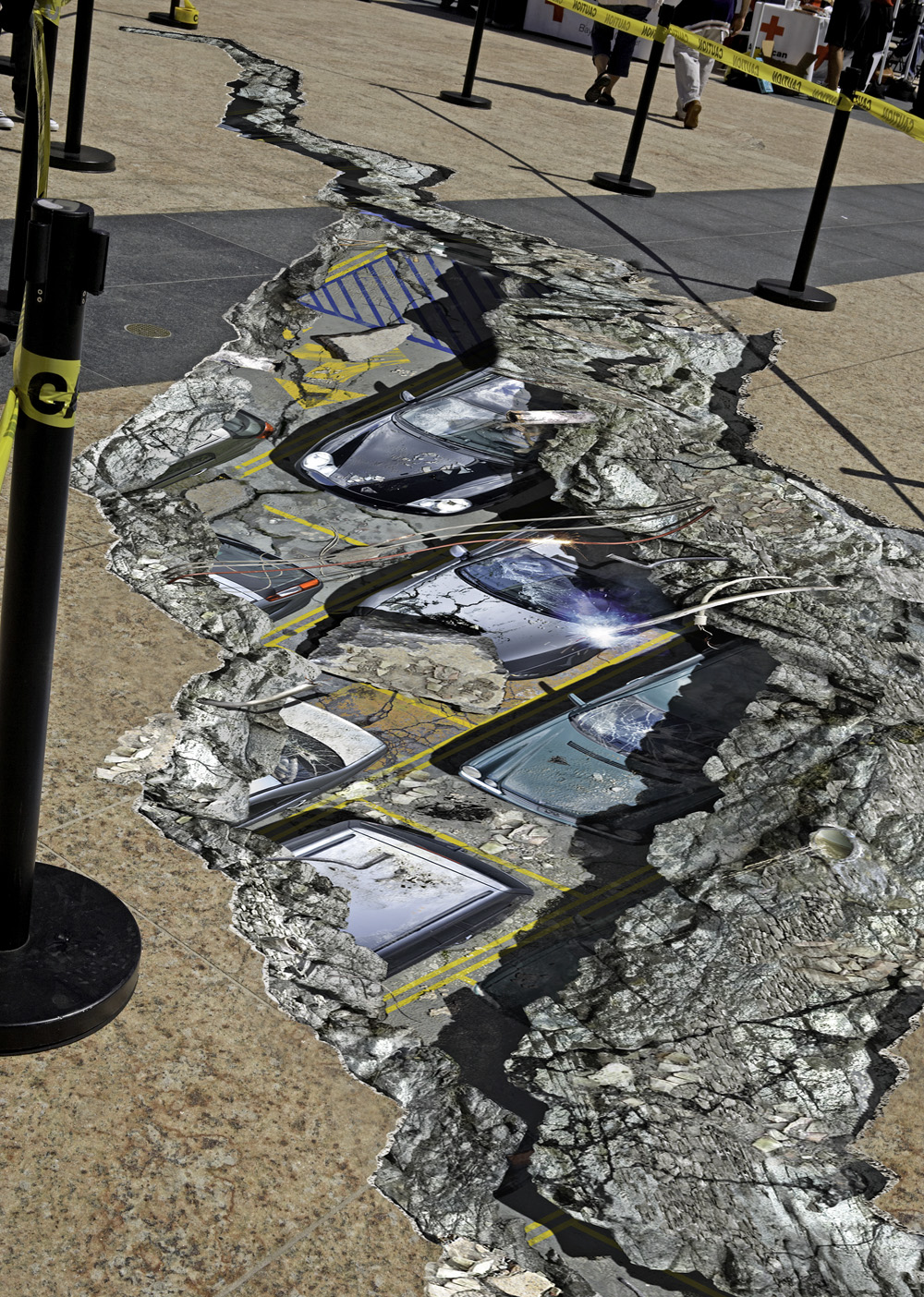
For the American Red Cross Bay Area, Hal Riney launched a campaign called “What Do We Have to Do to Get Your Attention?”

One interesting effort was a set of shaking bus shelter ads. But the show-stopper was Supercrack, which isn’t nearly as exciting as it sounds: a huge artificial crack down the middle of Union Square in San Francisco.

In an ideal world, the initiative sparked a burning desire in Bay Area denizens to prepare for a major earthquake, which could come at any time.

Unfortunately, if you’ve lived in the Bay Area most of your life like half of Adrants has, you’re used to the occasional earthquake. And you’re probably not going to shove off to the nearest Target and stock up on rations.


Picture of Steve Hall

Steve Hall

RECENT ARTICLES

TRENDING AROUND THE WEB

8 things people who work best with music on have in common

8 things people who work best with music on have in common

Hack Spirit

7 things people who hit snooze five times a morning have in common

7 things people who hit snooze five times a morning have in common

Hack Spirit

7 things people who work with their hands understand that office workers rarely do

7 things people who work with their hands understand that office workers rarely do

Hack Spirit

7 things decisive people do differently than people who are just impulsive

7 things decisive people do differently than people who are just impulsive

Hack Spirit

8 things people who give thoughtful gifts pay attention to all year

8 things people who give thoughtful gifts pay attention to all year

Hack Spirit

Greif and Gleason’s 1980 research on how children learn politeness routines found that young children almost never say “please” or “thank you” spontaneously, they say it because a parent prompts them with “what do you say?” dozens of times a week, meaning the reflex adults later display without thinking twice was built through years of someone else’s prompting long before it became automatic.

Greif and Gleason’s 1980 research on how children learn politeness routines found that young children almost never say “please” or “thank you” spontaneously, they say it because a parent prompts them with “what do you say?” dozens of times a week, meaning the reflex adults later display without thinking twice was built through years of someone else’s prompting long before it became automatic.

Global English Editing