Ford Births Fiesta Movement Chapter Two

FiestaMoveChp2Agents.jpg

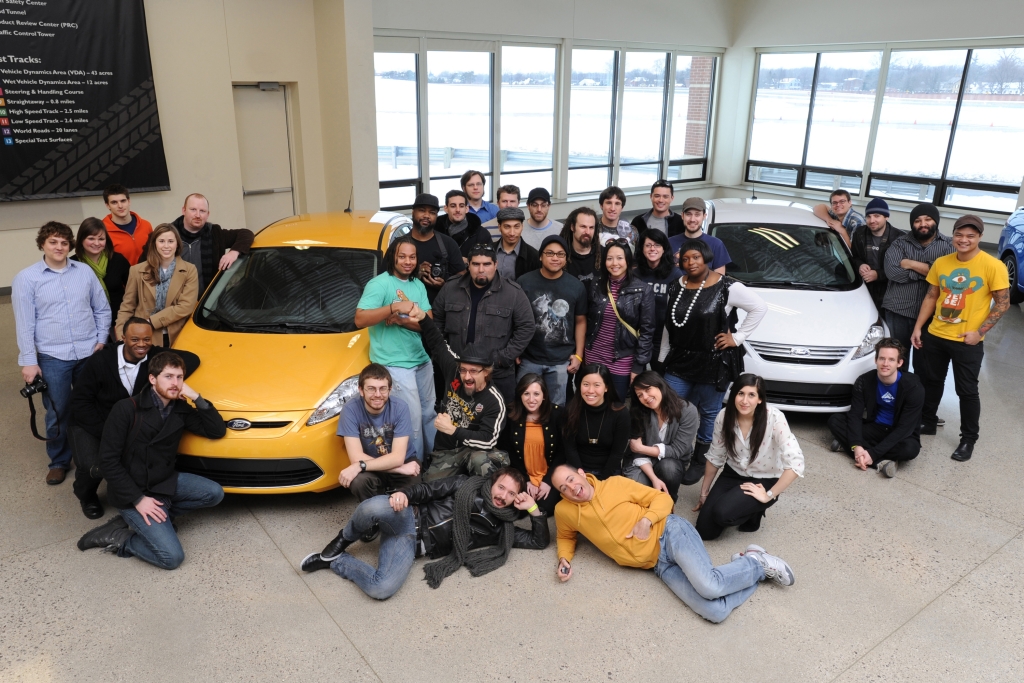
Extending the original Fiesta Movement, Ford has signed on 40 people in 16 cities and paired them in teams of two to complete a series of missions and challenges locally. As before, Fiesta Agents will record their every move and upload it for the rest of the world to consume and, from the release, “redefine the way Fiesta is brought to market by interacting with consumers online and offline, while bringing Fiesta to their communities.”

“This was a natural progression from the first phase of the Fiesta Movement,” said Connie Fontaine, Ford Brand Content and Alliances manager. “Chapter 2 will still be rooted in social media, but this time the content will also live offline and find its way into new mediums. Fiesta needs to clearly be the star now as the agents share their work within their communities and beyond.”

You see? It’s all about the car now and not the social media personalities. Or so it is hoped.

It all begins March 10. Follow here.

Picture of Steve Hall

Steve Hall

RECENT ARTICLES

TRENDING AROUND THE WEB

8 things people who work best with music on have in common

8 things people who work best with music on have in common

Hack Spirit

7 things people who hit snooze five times a morning have in common

7 things people who hit snooze five times a morning have in common

Hack Spirit

7 things people who work with their hands understand that office workers rarely do

7 things people who work with their hands understand that office workers rarely do

Hack Spirit

7 things decisive people do differently than people who are just impulsive

7 things decisive people do differently than people who are just impulsive

Hack Spirit

8 things people who give thoughtful gifts pay attention to all year

8 things people who give thoughtful gifts pay attention to all year

Hack Spirit

Greif and Gleason’s 1980 research on how children learn politeness routines found that young children almost never say “please” or “thank you” spontaneously, they say it because a parent prompts them with “what do you say?” dozens of times a week, meaning the reflex adults later display without thinking twice was built through years of someone else’s prompting long before it became automatic.

Greif and Gleason’s 1980 research on how children learn politeness routines found that young children almost never say “please” or “thank you” spontaneously, they say it because a parent prompts them with “what do you say?” dozens of times a week, meaning the reflex adults later display without thinking twice was built through years of someone else’s prompting long before it became automatic.

Global English Editing