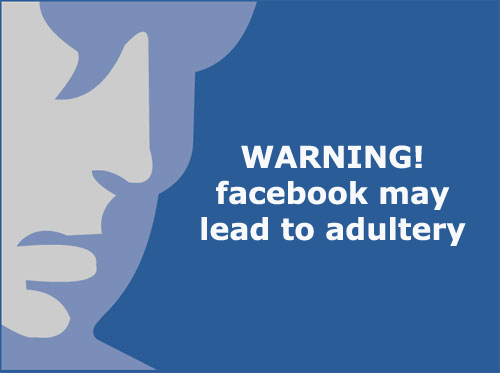
Facebook Causes Adultery, Sprint Saves Screens, Gout Gets Week

facebook_adultery.jpg

– In Indonesia, Facebook leads to adultery.

– Sprint has an interesting new screensaver and it’s powered by social media pulling in Facebook, Myspace, Twitter, YouTube and Flickr data as well as other real time elements, such as local traffic and bus schedules, the weather and Google matches.

– Here’s a new book called AD BOY: Vintage Advertising with Character which features retro ad characters.

– During Internet Week, PSFK will hold an event to help peers and friends. The Good Ideas in Collaboration Salon aims to introduce entrepreneurs who need help with out-of-work creative professionals who are looking for fresh opportunities (paid, unpaid or other).

– Who knew it was National Gout Week?

Picture of Steve Hall

Steve Hall

RECENT ARTICLES

TRENDING AROUND THE WEB

9 things people who got fit later in life all say afterward

9 things people who got fit later in life all say afterward

Hack Spirit

7 signs a friendship has simply run its course

7 signs a friendship has simply run its course

Hack Spirit

Communication research dating back decades has consistently found that weak or avoided eye contact is one of the fastest ways a listener downgrades a speaker’s perceived credibility, often within the first few seconds of an interaction

Communication research dating back decades has consistently found that weak or avoided eye contact is one of the fastest ways a listener downgrades a speaker’s perceived credibility, often within the first few seconds of an interaction

Global English Editing

8 signs someone is a master at playing mind games

8 signs someone is a master at playing mind games

Hack Spirit

9 signs of low self-confidence that are often mistaken for rudeness

9 signs of low self-confidence that are often mistaken for rudeness

Hack Spirit

The difference between being heard and being agreed with — and why conversations break down when people confuse them

The difference between being heard and being agreed with — and why conversations break down when people confuse them

Global English Editing