Danger Mouse Charges Ridic CD Rate; Shouts ‘Pirate Away!’

dangermouse-blank-cd.jpg

Piracy’s looking pretty good these days, and a handful of popular artists have done what they can to demonstrate they don’t support the act of suing music fans that also happen to be flagrant file-sharers.

Radiohead gave away In Rainbows online in ’07 on a pay-as-you-wish basis, followed by Saul Williams, whose Rise and Fall of Niggy Tardust gave you the option of paying a $5 support donation. Just recently, Del the Funky Homosapien opted to give Funk Man out at no charge, jokingly dubbing it his “stimulus package.”

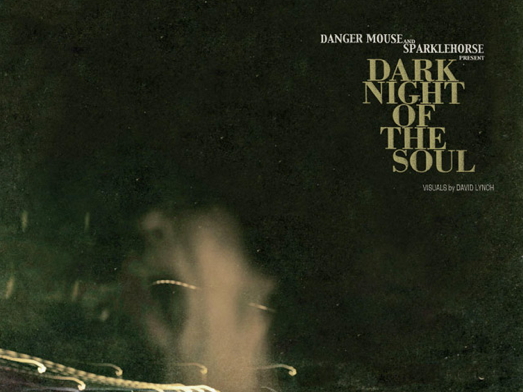
Danger Mouse isn’t giving its latest oeuvre away, but it’s giving the culture of piracy a healthy push. The disc’s called Dark Night of the Soul, and record company EMI refuses to release the album due to “legal issues.”

Facing that hurdle, Danger Mouse is releasing the album anyway — in a limited supply of 5000. Each is hand numbered and comes with a poster and a fat-ass book featuring photos from David Lynch.

Here’s the kicker: The enclosed CD is blank. DM fans are encouraged to populate it with the missing tracks “by whatever means.”


Picture of Steve Hall

Steve Hall

RECENT ARTICLES

TRENDING AROUND THE WEB

7 things people who hit snooze five times a morning have in common

7 things people who hit snooze five times a morning have in common

Hack Spirit

7 things people who work with their hands understand that office workers rarely do

7 things people who work with their hands understand that office workers rarely do

Hack Spirit

7 things decisive people do differently than people who are just impulsive

7 things decisive people do differently than people who are just impulsive

Hack Spirit

8 things people who give thoughtful gifts pay attention to all year

8 things people who give thoughtful gifts pay attention to all year

Hack Spirit

Greif and Gleason’s 1980 research on how children learn politeness routines found that young children almost never say “please” or “thank you” spontaneously, they say it because a parent prompts them with “what do you say?” dozens of times a week, meaning the reflex adults later display without thinking twice was built through years of someone else’s prompting long before it became automatic.

Greif and Gleason’s 1980 research on how children learn politeness routines found that young children almost never say “please” or “thank you” spontaneously, they say it because a parent prompts them with “what do you say?” dozens of times a week, meaning the reflex adults later display without thinking twice was built through years of someone else’s prompting long before it became automatic.

Global English Editing

8 signs your in-laws see you as their own, not just someone their child married

8 signs your in-laws see you as their own, not just someone their child married

Hack Spirit