Crashvertising the New Assvertising

crashvertise01.jpg

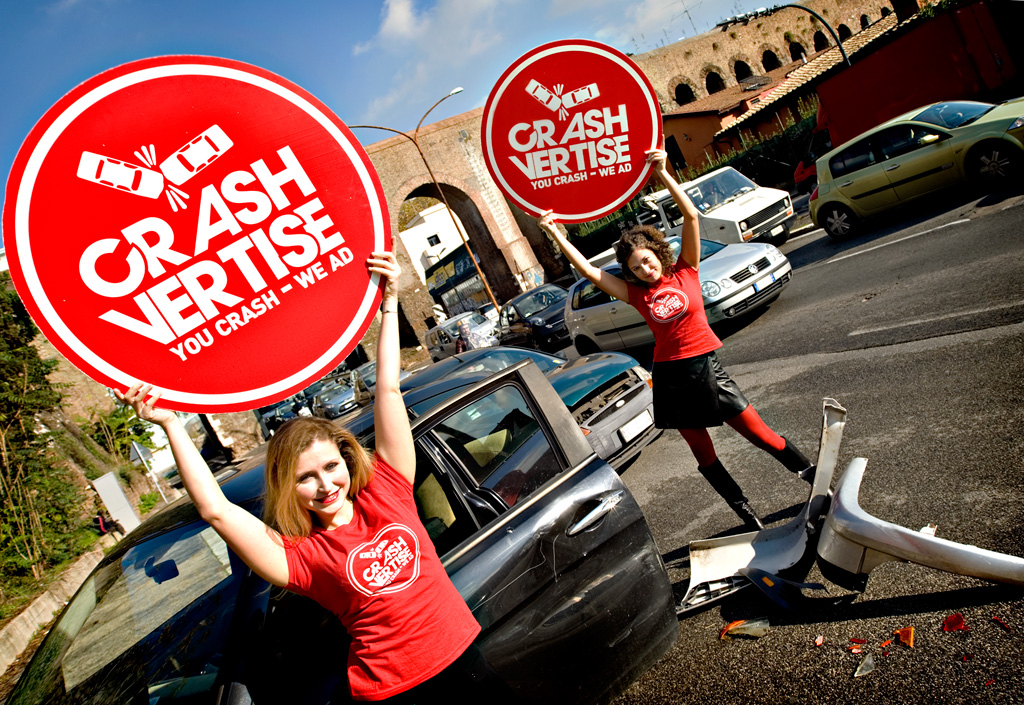
Crashvertise, a new form of advertising form KOOK Artgency, aims to leverage the prominence of car crashes as an advertising medium. Complete with facts and figures on where and when the biggest car crashes occur, Crashvertise offers “an all new guerrilla marketing trend by which ‘the crash is the message.'”

How it works:

Whenever a road accident happens a Crashvertise Team is sent immediately on the spot. The crash scene is set-up and animated to spread the brand message in different ways:

– The Craschvertise Team hit the streets showing the campaign on large scale posters and giving away safety vests with your brand to all the people involved in the road accidents.

– A special warning triangle with your brand message is located
near the cars.

– Gadgets or other advertising stuff are given away to people in the area.

Yes, it’s totally stupid (and fake) but they did put in quite a bit of effort to flesh the proposition out. It’s not assvertising but it’s equally as odd.


Picture of Steve Hall

Steve Hall

RECENT ARTICLES

TRENDING AROUND THE WEB

9 things deeply curious people do that make ordinary days feel interesting

9 things deeply curious people do that make ordinary days feel interesting

Hack Spirit

The difference between editing and proofreading (and why it matters for your work)

The difference between editing and proofreading (and why it matters for your work)

Global English Editing

8 small habits of people born in the 60s and 70s that make them wonderful neighbors

8 small habits of people born in the 60s and 70s that make them wonderful neighbors

Hack Spirit

7 quiet signs someone has made real peace with getting older

7 quiet signs someone has made real peace with getting older

Hack Spirit

8 things emotionally mature people do when an old friend disappoints them

8 things emotionally mature people do when an old friend disappoints them

Hack Spirit

Why we say one thing and mean another — the linguistics and cognition of the intent–expression gap

Why we say one thing and mean another — the linguistics and cognition of the intent–expression gap

Global English Editing