Clickable Paper to Destroy QR Code, Save Print?

clickable_paper.jpg

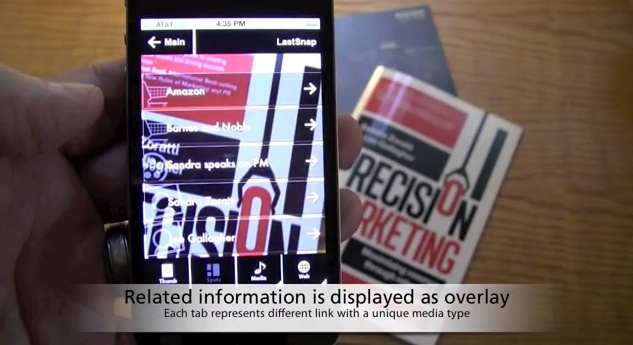
Ricoh is out with new apps for a technology called Clickable Paper. In a nutshell, it does away with the dreaded QR code by embedding hotspots directly into printed materials that are recognizable by an app.

Each hotspot can point to multiple links rather than just one as it is with QR codes. And since there is no ugly QR code gumming up the works, designers will love it. Of course, people will need some sort of indication that these hotspots actually exist on the paper in the first place.

The technology, out for a couple of years, is powered by Ricoh Visual Search, an image recognition solution that “establishes the relationship between information on printed paper with digital information and services on the Internet.”

What does this mean for marketers and publishers? It means print publishers may be given a stay of execution. It means marketers can offer a far more rich experience. It means print and online can literally be married. And, yes, we completely understand this could go the way of the Cue Cat but the technology does seem promising, not to mention user (and creator) friendly. Via.

YouTube video

Picture of Steve Hall

Steve Hall

RECENT ARTICLES

TRENDING AROUND THE WEB

8 things that start feeling like freedom rather than failure in your 30s

8 things that start feeling like freedom rather than failure in your 30s

Hack Spirit

People who have found inner peace usually stop seeking approval in these 8 ways

People who have found inner peace usually stop seeking approval in these 8 ways

Hack Spirit

9 small ways genuinely warm people make life better for everyone around them

9 small ways genuinely warm people make life better for everyone around them

Hack Spirit

8 things adult children remember most about parents who made them feel understood

8 things adult children remember most about parents who made them feel understood

Hack Spirit

A lot of people raised in the 1960s and 70s never heard the adults in their lives say they were proud of them — and some quietly spent the next fifty years trying to earn what was already true

A lot of people raised in the 1960s and 70s never heard the adults in their lives say they were proud of them — and some quietly spent the next fifty years trying to earn what was already true

Global English Editing

7 subtle signs someone may quietly resent your success

7 subtle signs someone may quietly resent your success

Hack Spirit