As you may have hard, Abercrombie & Fitch CEO Mike Jeffries doesn’t like un-cool, un-popular and, based upon the sizes they carry (or don’t carry), people with larger frames. Well, at least women with larger frames as the store does not carry XL or XXL sizes or pants over size 10. Reportedly, the brand evens burns damaged clothing rather than donating it to charity.
In a 2006 interview with Salon, Jeffries said, “…we want to market to cool, good-looking people. We don’t market to anyone other than that. In every school there are the cool and popular kids, and then there are the not-so-cool kids. Candidly, we go after the cool kids. We go after the attractive all-American kid with a great attitude and a lot of friends. A lot of people don’t belong [in our clothes], and they can’t belong. Are we exclusionary? Absolutely.”
The seven year old comments became (were manufactured into?) a minor kerfuffle this week when Business Insider referenced the comments in an article that mentioned Robin Lewis, CEO of The Robin Report and author of the book The New Rules of Retail. Lewis referred to Jeffries telling Business Insider, “He doesn’t want larger people shopping in his store, he wants thin and beautiful people. He doesn’t want his core customers to see people who aren’t as hot as them wearing his clothing. People who wear his clothing should feel like they’re one of the ‘cool kids.'”
Of course, the whole thing turned into “Jeffries hates fat people.” Now that may or may not be true but Abercrombie & Fitch isn’t commenting just fueling the notion that, yes, it doesn’t want larger women shopping at its store or less-than-cool people wearing its clothing.
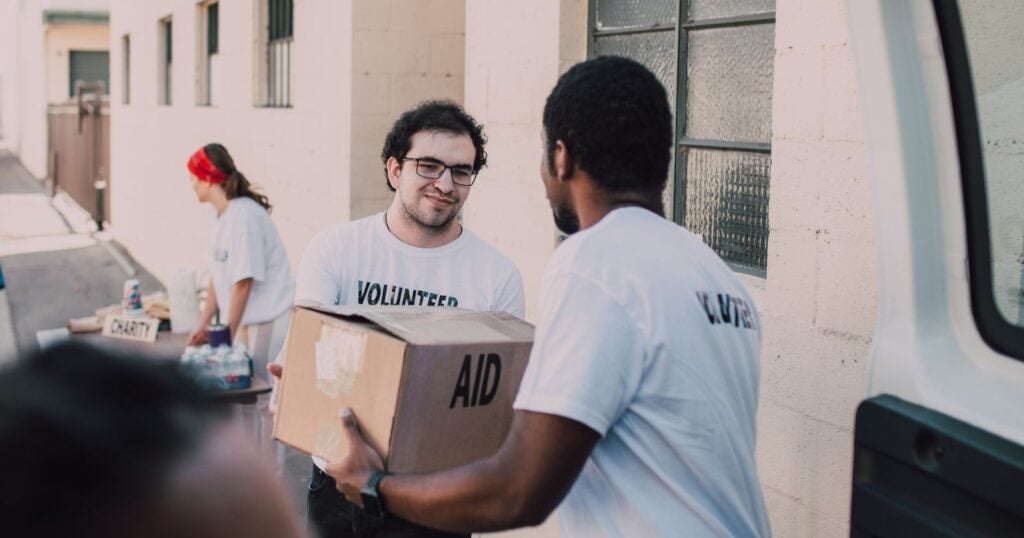
That may be about to change following a just-launched online campaign that directly attacks A&F’s distase for less-than-perfect people. LA-based writer Greg Karber has created a video that encourages people to donate their A&F clothing to local homeless shelters and share the fact they did so on Twitter with the hashtag #FitchTheHomeless.
In the video, which is filled with snarky anti-Abercrombie & Fitch commentary, we see Karber visiting a Goodwill store in search of A&F clothing (he doesn’t find much) and then travelling to Skid Row to give the clothing to the homeless. The video, which is nearing one million views, closes with Karber urging people to raid their closets (and their friends’ and neighbors’ closets) for Abercrombie & Fitch clothing all with the aim of making A&F “The World’s Number One Brand of Homeless Apparel.”
Of his work, Karber told Mashable, “I was really upset by the Abercrombie & Fitch CEO’s comments, and I wanted to do something to turn that negative energy into a positive social good.”
Whether or not this makes any kind of dent in Abercrombie & Fitch’s shining suit of elitest armor — quite unlikely — it’s yet another shining example of how easy it has become for “regular people” to command the media for a few days and alter public opinion (or at least call attention to an issue)