Budweiser Remakes 9/11 Commercial For Tenth Anniversary

budweiser_9_11_11.jpg

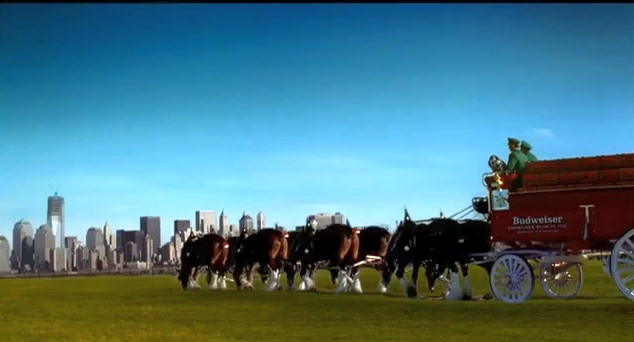
As you all know, we’re a sucker for any commercial that manipulates the heartstrings. Just as it did ten years ago, this remake of the famed Budweiser 9/11 commercial (aired during the Super Bowl in February 2002) which featured the Clydesdales paying their respect to New York City is as powerful as the original.

The new commercial is nearly identical to the original except for one small change. When the horses kneel in respect, the skyline now shows One World Trade Center under construction. Oh and the snow has been turned to grass.

You can view the new one and the original below.

Not everyone liked the remake. Hill Holiday CEO Mike Sheehan, whose agency created the original, voiced his opinion on the agency’s blog.


Picture of Steve Hall

Steve Hall

RECENT ARTICLES

TRENDING AROUND THE WEB

8 things people who work best with music on have in common

8 things people who work best with music on have in common

Hack Spirit

7 things people who hit snooze five times a morning have in common

7 things people who hit snooze five times a morning have in common

Hack Spirit

7 things people who work with their hands understand that office workers rarely do

7 things people who work with their hands understand that office workers rarely do

Hack Spirit

7 things decisive people do differently than people who are just impulsive

7 things decisive people do differently than people who are just impulsive

Hack Spirit

8 things people who give thoughtful gifts pay attention to all year

8 things people who give thoughtful gifts pay attention to all year

Hack Spirit

Greif and Gleason’s 1980 research on how children learn politeness routines found that young children almost never say “please” or “thank you” spontaneously, they say it because a parent prompts them with “what do you say?” dozens of times a week, meaning the reflex adults later display without thinking twice was built through years of someone else’s prompting long before it became automatic.

Greif and Gleason’s 1980 research on how children learn politeness routines found that young children almost never say “please” or “thank you” spontaneously, they say it because a parent prompts them with “what do you say?” dozens of times a week, meaning the reflex adults later display without thinking twice was built through years of someone else’s prompting long before it became automatic.

Global English Editing