

Ask Gets Cryptic, Too Cryptic, to Push Equally Cryptic Algo

algo_from_jersey.jpg

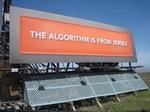
We were trawling SF during ad:tech when we saw the ad at left, except smaller and on some kind of relief kiosk. We wondered whose it was and suspected Ask after seeing another billboard that said, “The algorithm killed Jeeves.”

Bitter much? The butler was awkward. If the algo didn’t kill him, Ms. Dewey would have anyway.

Anyway, Make the Logo Bigger asked the question we didn’t and found all the alleged background information for this Ask.com campaign by Crispin.

The hope is people will be inspired to hunt around for the campaign online, thereby tickling the very algorithm that so escapes them. Well, one out of three ain’t bad.


Picture of Steve Hall

Steve Hall

RECENT ARTICLES

TRENDING AROUND THE WEB

8 things people who work best with music on have in common

8 things people who work best with music on have in common

Hack Spirit

7 things people who hit snooze five times a morning have in common

7 things people who hit snooze five times a morning have in common

Hack Spirit

7 things people who work with their hands understand that office workers rarely do

7 things people who work with their hands understand that office workers rarely do

Hack Spirit

7 things decisive people do differently than people who are just impulsive

7 things decisive people do differently than people who are just impulsive

Hack Spirit

8 things people who give thoughtful gifts pay attention to all year

8 things people who give thoughtful gifts pay attention to all year

Hack Spirit

Greif and Gleason’s 1980 research on how children learn politeness routines found that young children almost never say “please” or “thank you” spontaneously, they say it because a parent prompts them with “what do you say?” dozens of times a week, meaning the reflex adults later display without thinking twice was built through years of someone else’s prompting long before it became automatic.

Greif and Gleason’s 1980 research on how children learn politeness routines found that young children almost never say “please” or “thank you” spontaneously, they say it because a parent prompts them with “what do you say?” dozens of times a week, meaning the reflex adults later display without thinking twice was built through years of someone else’s prompting long before it became automatic.

Global English Editing










