ARIA Resort A Giant Phallus in the Sky

aria_the_reveal.jpg

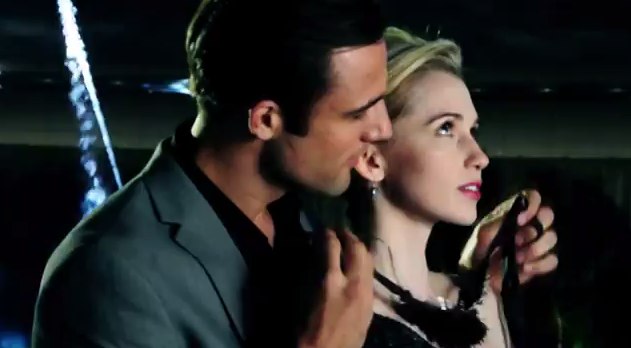
ARIA Resort & Casino has launched a new SK+G-created brand campaign, “Modern Seduction.”

The campaign, which will be unveiled in stages, consists of a series of print ads short web films. The first, The Reveal is online now. Four additional ads with companion webisodes will follow in the coming months: The Motive (May), Entrapment (June), The Raise (July) and The Trap (August).

Of the campaign, CityCenter VP of Marketing Carl Cohen said, “The new campaign captures the ‘awe of ARIA’ – those extraordinary experiences found throughout the resort’s many beautiful settings. SK+G created a solid concept and brought it to life with striking visuals and emotionally linked stories that translate across both traditional and new media platforms. It is our intent to utilize this campaign across all of our consumer communication channels.”

Of the campaign, Adrants CEO and Worldwide Director of Advertising Deconstruction said, “If I can get my girlfriend to be this excited about a big shiny building, then I’m going to play this ad for her 24/7 in our bedroom. This shit is cray.”


Picture of Steve Hall

Steve Hall

RECENT ARTICLES

TRENDING AROUND THE WEB

7 things people who hit snooze five times a morning have in common

7 things people who hit snooze five times a morning have in common

Hack Spirit

7 things people who work with their hands understand that office workers rarely do

7 things people who work with their hands understand that office workers rarely do

Hack Spirit

7 things decisive people do differently than people who are just impulsive

7 things decisive people do differently than people who are just impulsive

Hack Spirit

8 things people who give thoughtful gifts pay attention to all year

8 things people who give thoughtful gifts pay attention to all year

Hack Spirit

Greif and Gleason’s 1980 research on how children learn politeness routines found that young children almost never say “please” or “thank you” spontaneously, they say it because a parent prompts them with “what do you say?” dozens of times a week, meaning the reflex adults later display without thinking twice was built through years of someone else’s prompting long before it became automatic.

Greif and Gleason’s 1980 research on how children learn politeness routines found that young children almost never say “please” or “thank you” spontaneously, they say it because a parent prompts them with “what do you say?” dozens of times a week, meaning the reflex adults later display without thinking twice was built through years of someone else’s prompting long before it became automatic.

Global English Editing

8 signs your in-laws see you as their own, not just someone their child married

8 signs your in-laws see you as their own, not just someone their child married

Hack Spirit