5 Iconic Ad Campaigns Reimagined

calvin_klein_brook_shields.jpeg

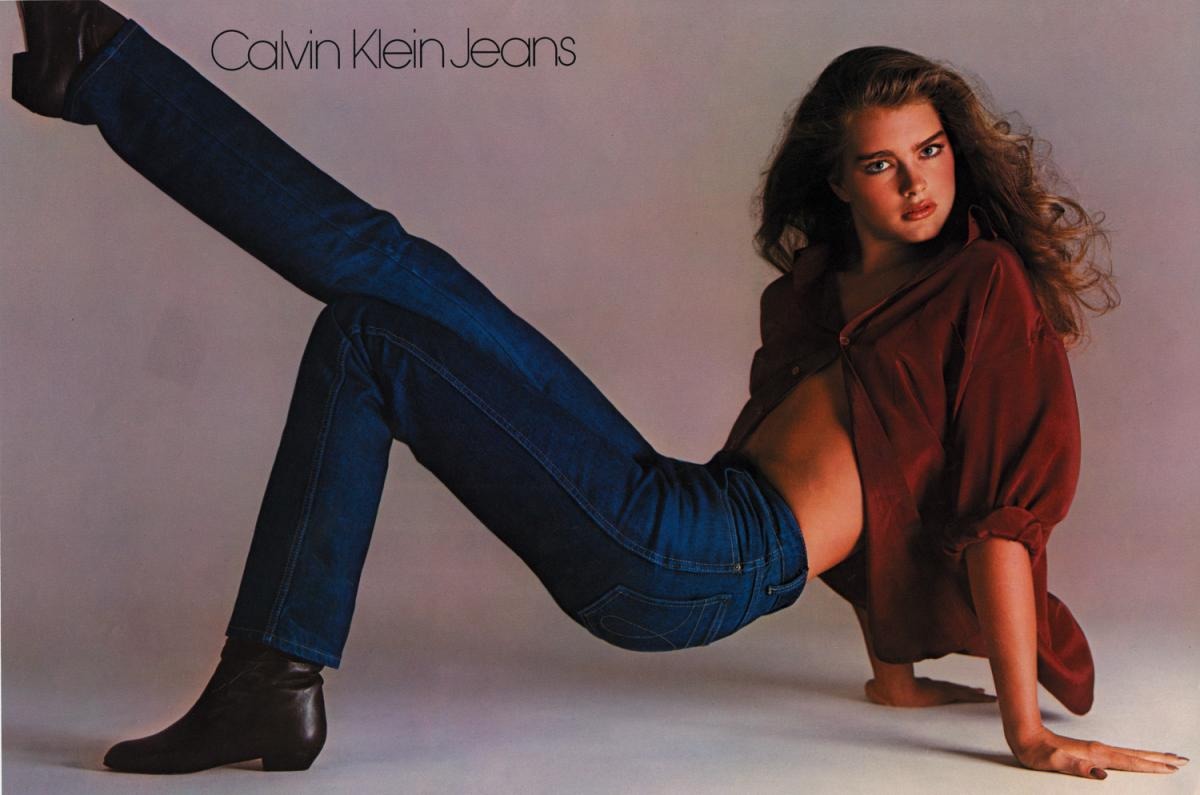
Oh have we got something fun for you! It’s a little bit Mad Men and a little bit Google Glass. What would happen if iconic ad campaigns like VW’s Think Small, Clairol’s Does She or Doesn’t She, Keep America Beautiful’s Crying Indian, Wendy’s Where’s the Beef and Brooke Shield’s sexually-suggestive Calvin Klein campaigns were to play out today?

Working with HubSpot’s Shannon Johnson, I co-authored a report entitled Traditional Turned Inbound: Re-imagining 5 Iconic Ad Campaigns From the Past. But first, let’s be honest. While I came up with the five campaigns, reached out to the industry for comment and took a stab and re-imagining the campaigns, it was the brilliant Shannon Johnson who brought this report to life with uber-intelligent insight on how these iconic campaigns from yesteryear would play out in today’s very different media landscape.

In addition to commentary from Shannon and I, you will hear from super-intelligent industry folks including The Perlorian Brothers, 360i Director of Emerging Media David Berkowitz, Tattoo Projects Creative Director Buffy McCoy Kelly and School of Thought Co-Founder Tom Geary.

The report is a beautiful marriage between yesterday’s “big idea” approach to marketing and today’s socially-focused, data-driven approach.

Download the report now and find out what it might be like if Don Draper were creating ad campaigns today.


Picture of Steve Hall

Steve Hall

RECENT ARTICLES

TRENDING AROUND THE WEB

A vocabulary that keeps quietly expanding well past someone’s twenties isn’t just a love of words — it’s the one measure of intelligence psychologists have trusted for a century because it tracks so closely with how a person actually thinks

A vocabulary that keeps quietly expanding well past someone’s twenties isn’t just a love of words — it’s the one measure of intelligence psychologists have trusted for a century because it tracks so closely with how a person actually thinks

Global English Editing

An Adobe survey found 69% of workers say emoji use makes a coworker seem more likable — and the reason has more to do with replacing missing body language than making a message friendlier

An Adobe survey found 69% of workers say emoji use makes a coworker seem more likable — and the reason has more to do with replacing missing body language than making a message friendlier

Global English Editing

A boundary delivered without an explanation usually isn’t coldness — it’s someone who’s learned that the explanation is exactly what invites the negotiation they were trying to avoid

A boundary delivered without an explanation usually isn’t coldness — it’s someone who’s learned that the explanation is exactly what invites the negotiation they were trying to avoid

Global English Editing

Someone who lets a frazzled stranger go ahead of them in line isn’t necessarily being generous — they’re picking up on small shifts in tone and posture that most people only catch when told to look for them

Someone who lets a frazzled stranger go ahead of them in line isn’t necessarily being generous — they’re picking up on small shifts in tone and posture that most people only catch when told to look for them

Global English Editing

The difference between the words you recognize and the words you actually use — and what that gap says about how you learned them

The difference between the words you recognize and the words you actually use — and what that gap says about how you learned them

Global English Editing

Keeping the counter clear while cooking is partly a private habit and partly a quiet form of consideration — a way of leaving the kitchen usable for whoever moves through it next, without needing to say so out loud

Keeping the counter clear while cooking is partly a private habit and partly a quiet form of consideration — a way of leaving the kitchen usable for whoever moves through it next, without needing to say so out loud

Global English Editing