Kids Rattle Stats Off to Save Sharks

sharks-kids.jpg

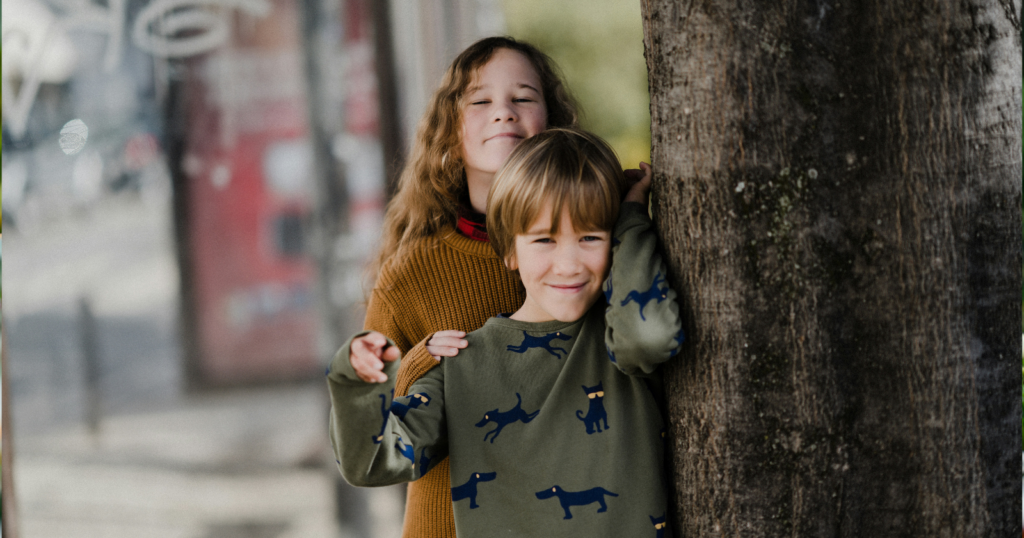
Check out “Don’t Hate,” an ad where a bunch of wise-arse kids barrage ign’ant adults with shark-friendly statistics like “Did you know you’re more likely to be killed by a coconut falling out a tree?”

Don’t get me wrong, it’s a good message. Something about these kids — the way they talk, their righteous I adhere to the Food Pyramid! tenors — makes me want to tie my tubes, though. But hey, I also learned that sharks “just aren’t interested” in eating me.

*steps into suit made of freshwater fish carcasses*

That’s what they think!

Distributed by Raging Artists for Wild Aid. See variants. Oh yeah, and KISS stands for “Kids Involved in Saving Sharks,” which was founded by an 11-year-old boy. Somebody I know was all, “Ugh. KAP — Kids As Pawns. Can we puh-LEEZE stop that insanity.” SRSLY, yo.


Picture of Steve Hall

Steve Hall

RECENT ARTICLES

TRENDING AROUND THE WEB

7 things people who hit snooze five times a morning have in common

7 things people who hit snooze five times a morning have in common

Hack Spirit

7 things people who work with their hands understand that office workers rarely do

7 things people who work with their hands understand that office workers rarely do

Hack Spirit

7 things decisive people do differently than people who are just impulsive

7 things decisive people do differently than people who are just impulsive

Hack Spirit

8 things people who give thoughtful gifts pay attention to all year

8 things people who give thoughtful gifts pay attention to all year

Hack Spirit

Greif and Gleason’s 1980 research on how children learn politeness routines found that young children almost never say “please” or “thank you” spontaneously, they say it because a parent prompts them with “what do you say?” dozens of times a week, meaning the reflex adults later display without thinking twice was built through years of someone else’s prompting long before it became automatic.

Greif and Gleason’s 1980 research on how children learn politeness routines found that young children almost never say “please” or “thank you” spontaneously, they say it because a parent prompts them with “what do you say?” dozens of times a week, meaning the reflex adults later display without thinking twice was built through years of someone else’s prompting long before it became automatic.

Global English Editing

8 signs your in-laws see you as their own, not just someone their child married

8 signs your in-laws see you as their own, not just someone their child married

Hack Spirit